

What's Happening?
Mossad director David Barnea has traveled to the United States to engage in discussions centered on Iran, amidst escalating regional tensions. Barnea is set to meet with Steve Witkoff, President Trump's special envoy, in Miami. The agenda includes Iran's
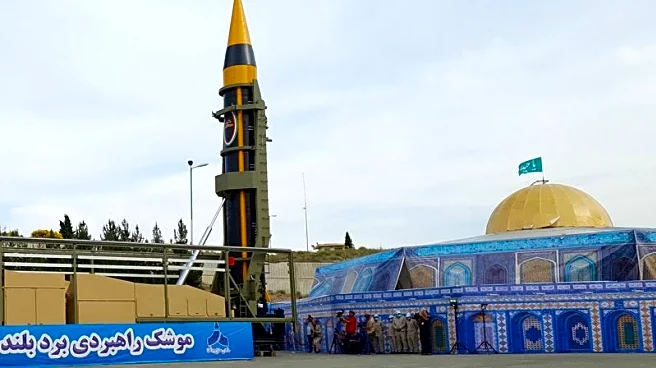
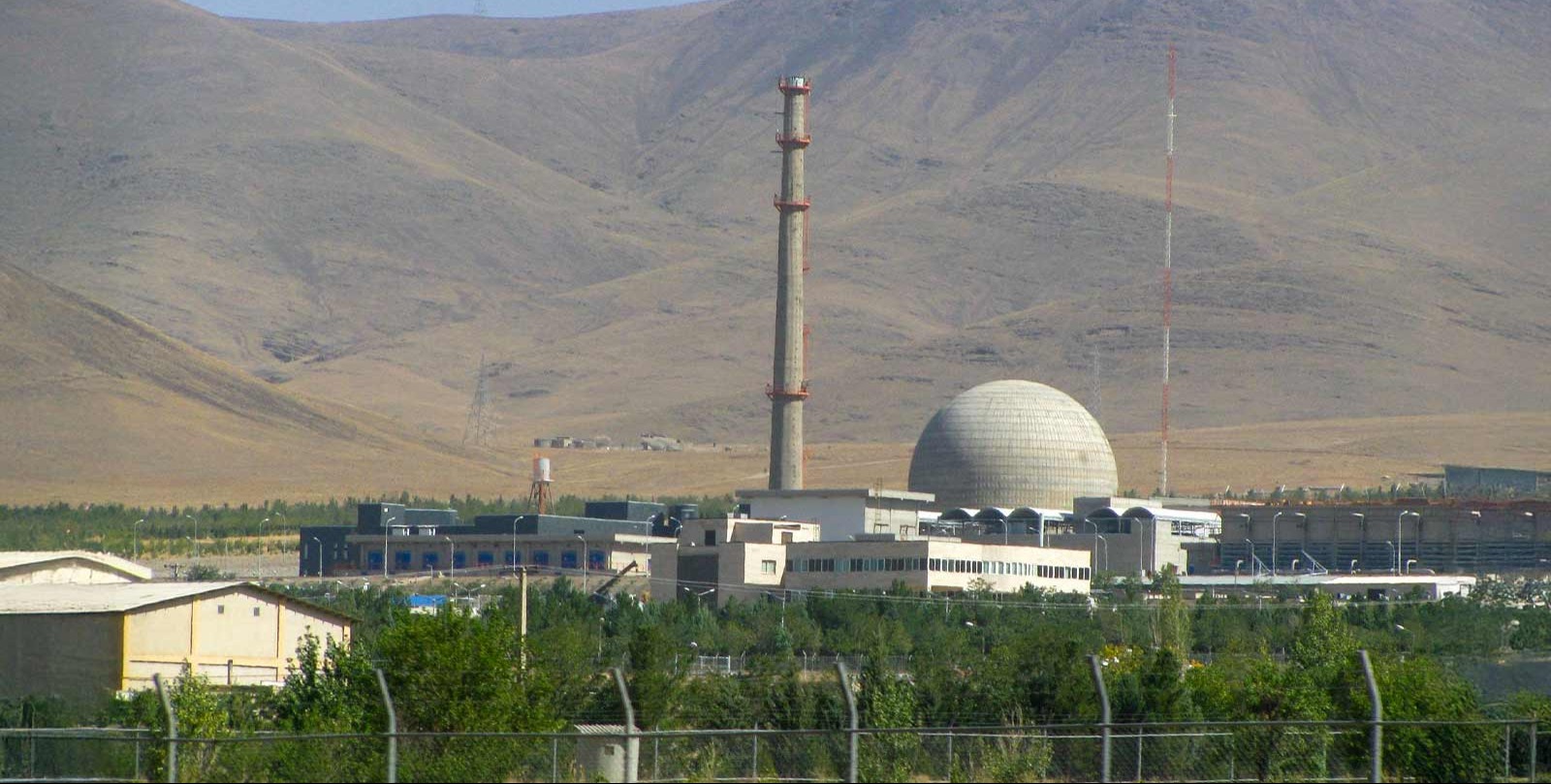
nuclear program, missile capabilities, and regional proxy forces, as well as the ongoing conflict in Gaza. These talks are part of a broader diplomatic effort by Washington, which is currently prioritizing negotiations over military action. The discussions are aligned with Jerusalem's interests, focusing on nuclear enrichment, missile stockpiles, and Iran-backed groups in the Middle East. The diplomatic engagement comes as Russia, led by President Vladimir Putin, offers to mediate between Iran and Israel, promoting dialogue to ensure regional stability.
Why It's Important?
The talks between Mossad and U.S. officials underscore the critical nature of Iran's nuclear ambitions and regional influence, which are pivotal issues for both Israel and the United States. The outcome of these discussions could significantly impact U.S. foreign policy and its approach to Middle Eastern geopolitics. Successful diplomacy could lead to a de-escalation of tensions and a potential reintegration of Iran into the international community, which is crucial given Iran's economic struggles. Conversely, failure to reach an agreement could heighten the risk of military conflict, affecting global oil markets and regional security. The involvement of Russia as a mediator highlights the complex international dynamics at play, with multiple global powers vested in the outcome.
What's Next?
The next steps involve continued diplomatic negotiations between the U.S. and Iran, with potential implications for military strategy depending on the talks' success. The U.S. may delay military action if diplomatic solutions appear viable. Meanwhile, Russia's role as a mediator could influence the direction of these talks, potentially leading to broader international cooperation or conflict, depending on the outcomes. Stakeholders, including Israel and other Middle Eastern nations, will closely monitor these developments, as they could reshape regional alliances and security strategies.