
What's Happening?
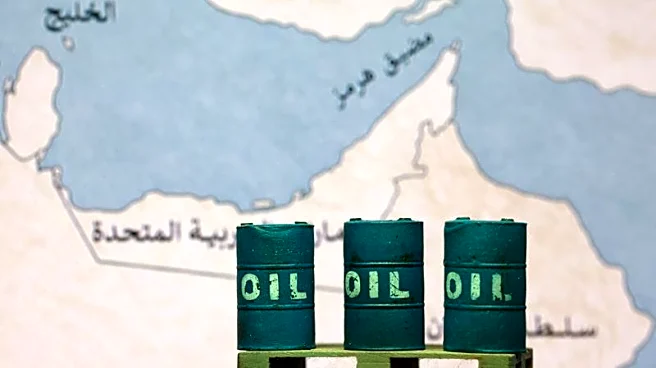
A report from Khorasan Daily questions whether China's reduction in crude oil purchases has undermined Iran's strategy to disrupt the Strait of Hormuz. The strait, a critical oil passage, has been a focal
point in Iran's crisis planning, with the assumption that its closure would spike global oil prices. However, China's strategic petroleum reserve drawdowns and reliance on Russian oil have mitigated market disruptions. This analysis, coming from a publication aligned with Iran's negotiation team, suggests a shift in market power from producers to consumers like China.
Why It's Important?
The report highlights a significant shift in global oil market dynamics, where consumer countries like China can influence market stability despite geopolitical tensions. This development challenges Iran's traditional leverage over global oil prices and suggests a need for Tehran to reassess its economic strategies. The situation also underscores the complex interplay between geopolitical strategies and economic realities, with potential implications for global energy security and diplomatic relations.
Beyond the Headlines
The analysis raises questions about the effectiveness of Iran's energy-shock strategy and its reliance on the Strait of Hormuz as a geopolitical tool. It also reflects broader shifts in global power dynamics, where economic interdependence and strategic reserves play crucial roles. The report's publication in a pro-negotiation outlet suggests internal debates within Iran about the viability of its current strategies and the potential benefits of diplomatic engagement.