





What's Happening?
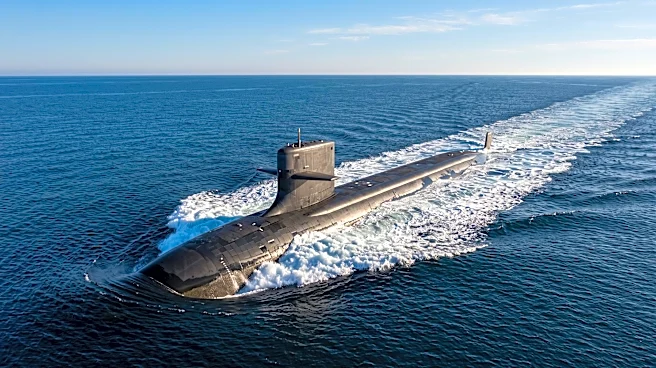
AUKUS, the trilateral security pact established on September 15, 2021, between Australia, the United Kingdom, and the United States, is evolving beyond its initial focus on nuclear-powered submarines. The pact is now recognized as a significant driver
for innovation and technology opportunities across various advanced domains. These areas of cooperation include quantum technologies, advanced cyber capabilities, artificial intelligence and autonomy, hypersonic and counter-hypersonic capabilities, undersea capabilities, electronic warfare, and enhanced information sharing. This expanded scope aims to support the growth of businesses, both large and small, and foster collaboration among industry, academia, researchers, government, and defense sectors across the three member nations.
Why It's Important?
For the U.S., the expansion of the AUKUS pact signifies a deepening of strategic alliances and a concerted effort to maintain technological superiority in critical defense areas. This collaboration provides significant market opportunities for U.S. manufacturers, innovators, and technology companies, particularly those specializing in advanced cyber, AI, quantum, and hypersonic technologies. The pact's focus on information sharing and joint development can accelerate the pace of innovation and reduce research and development costs for the U.S. defense industry. Furthermore, by strengthening the technological capabilities of Australia and the UK, AUKUS enhances collective security in the Indo-Pacific region, which is a key strategic interest for the U.S. This initiative also helps to counter potential threats from rival nations by pooling resources and expertise in cutting-edge military technologies, ensuring a more robust and integrated defense posture.
What's Next?
The AUKUS pact is expected to continue fostering collaboration and investment in the identified advanced technology areas. This will likely involve joint research and development projects, technology transfer initiatives, and increased procurement from businesses within the three nations. The emphasis on building capability suggests ongoing efforts to integrate these technologies into the defense frameworks of Australia, the UK, and the U.S. Future developments may include the establishment of specialized working groups, shared testing facilities, and streamlined regulatory processes to facilitate faster innovation and deployment. The pact's success will depend on sustained political commitment, adequate funding, and effective coordination among the diverse stakeholders from government, industry, and academia.
Beyond the Headlines
The AUKUS pact's broader focus on advanced technologies has significant implications beyond military applications. The innovations spurred by this security alliance, particularly in areas like AI, quantum computing, and advanced cyber, could have dual-use potential, leading to breakthroughs in civilian sectors such as healthcare, finance, and communication. This could drive economic growth and technological advancement across the U.S. and its allies. However, it also raises ethical and regulatory challenges concerning the responsible development and deployment of these powerful technologies. The pact's emphasis on information sharing and interoperability could also set a new standard for international defense cooperation, potentially influencing how other alliances are structured in the future. Ultimately, AUKUS is not just about military hardware but about building a resilient and technologically advanced ecosystem among key allies.