





What's Happening?
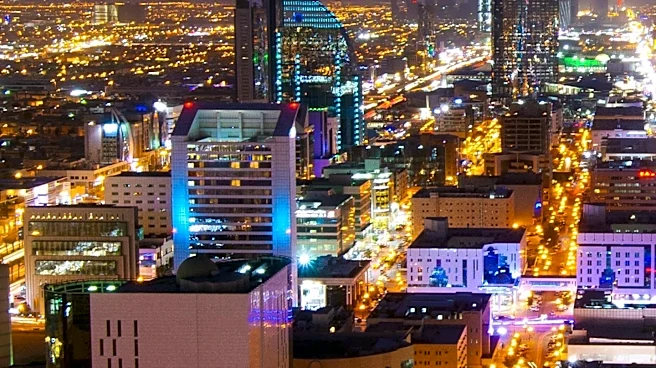
The cost of living in Saudi Arabian cities shows significant variation, impacting both local residents and expatriates. Riyadh, the capital, is noted for its higher cost of living, particularly for housing and dining, reflecting its status as a major
financial and cultural hub. Jeddah, a key port city, also has a moderate to high cost of living, especially in upscale areas, but offers a more relaxed lifestyle. In contrast, Madinah and Tabuk present more affordable living options. Madinah, the second-holiest city, has moderate costs, with housing and daily expenses generally lower than in Riyadh and Jeddah. Tabuk, a northern city, is also more affordable, with lower housing and food costs. Makkah's costs vary, with high prices near the Grand Mosque due to tourism, while other areas are more affordable.
Why It's Important?
The differing costs of living across Saudi Arabian cities have significant implications for individuals and businesses. For expatriates, understanding these variations is crucial for financial planning and choosing a suitable location for work or residence. Higher costs in cities like Riyadh and Jeddah mean that a larger portion of income will be allocated to housing and daily expenses, potentially affecting savings and disposable income. Conversely, the affordability of cities like Madinah and Tabuk could attract individuals seeking a lower cost of living, potentially influencing internal migration patterns and regional development. For businesses, these cost differences can impact operational expenses, particularly labor costs and real estate, influencing investment decisions and the distribution of economic activity across the Kingdom.
What's Next?
Individuals considering relocation within Saudi Arabia or from abroad will need to carefully assess the cost of living in their target city to make informed financial decisions. This includes evaluating housing prices, food costs, and transportation expenses. Businesses may continue to strategically locate operations in cities that offer a more favorable cost structure, potentially leading to further development in more affordable regions like Tabuk. The Saudi government's ongoing economic diversification efforts, such as the NEOM project near Tabuk, could further influence these cost dynamics and attract more residents and businesses to previously less expensive areas. Continued monitoring of these cost trends will be essential for both residents and investors.
Beyond the Headlines
Beyond the immediate financial considerations, the varying costs of living reflect and influence the social and cultural landscapes of these cities. Riyadh and Jeddah's higher costs are often associated with more cosmopolitan environments and greater access to modern amenities and entertainment, attracting a diverse population. In contrast, the more traditional and conservative atmosphere in cities like Madinah and Buraydah, coupled with lower costs, appeals to those seeking a quieter lifestyle with a strong connection to Saudi cultural heritage. These differences can lead to distinct community compositions and lifestyles. The development of new economic hubs, such as NEOM, could also create new social dynamics and potentially alter the cost of living in surrounding areas, leading to both opportunities and challenges for existing communities.