

What's Happening?
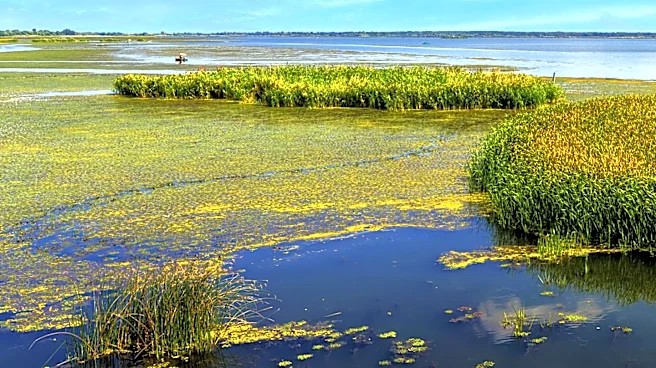
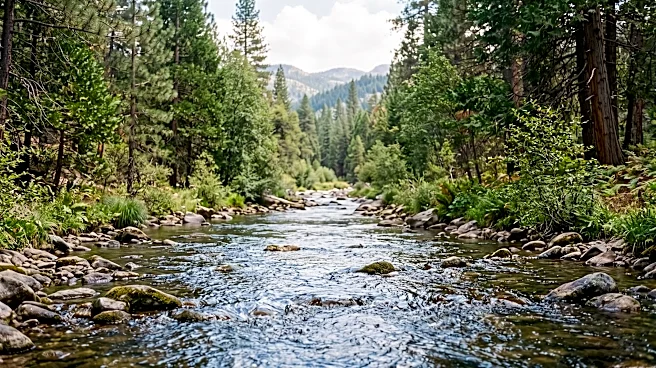
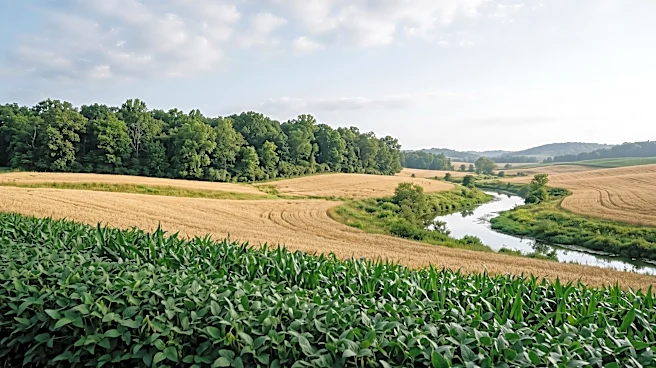
The West Central Ohio Land Conservancy (WCOLC) is celebrating its 20th anniversary, marking two decades of efforts to protect farmland, wetlands, forests, and wildlife habitats in seven counties across West Central Ohio. Founded in 2006 by property owners
seeking alternatives to donating land to parks, the conservancy primarily utilizes conservation easements. These easements restrict future development while allowing landowners to retain private ownership. Since its inception, WCOLC has protected over 3,000 acres. The organization, which operated with volunteers for its first 19 years, now has a paid executive director, Katie Ware, a position established through a grant from the Findlay-Hancock County Community Foundation. An anniversary event on November 14 will feature discussions on local barn history, agricultural preservation, and resources for researching family and farm histories.
Why It's Important?
The work of the West Central Ohio Land Conservancy is crucial for preserving the agricultural heritage and natural resources of the region amidst increasing development pressures. By protecting productive farmland and soils, the conservancy helps sustain local agriculture and food production, contributing to regional food security. The preservation of wetlands, forests, and wildlife habitats is vital for maintaining healthy ecosystems and protecting precious water resources. This effort also addresses the emotional and cultural significance of the landscape for residents, ensuring that the rural character and natural beauty of West Central Ohio are maintained for future generations. The conservancy's model of using conservation easements provides a flexible tool for landowners to protect their property while retaining ownership, offering a balance between private rights and public good.
What's Next?
The WCOLC plans to continue its land protection efforts, though its work remains constrained by limited funding. Through programs like the Ohio Department of Agriculture’s Clean Ohio Local Agricultural Easement Purchase Program (LAEPP), the conservancy can protect approximately 160 acres annually. However, leaders within the organization, such as board president Amanda Wischmeyer, believe this is insufficient given the high demand for land and the rapid pace of development. The anniversary celebration aims to raise awareness and encourage community involvement, emphasizing that even non-landowners can contribute to preservation efforts. Future initiatives will likely focus on securing more funding and expanding outreach to engage more landowners and community members in protecting the region's vital agricultural and natural landscapes.
Beyond the Headlines
The conservancy's work highlights a broader national tension between economic development and environmental preservation, particularly in agricultural regions. The increasing demand for land for subdivisions, data centers, and infrastructure projects often encroaches upon prime farmland and natural areas, leading to irreversible changes in local landscapes and economies. The WCOLC's success in preserving over 3,000 acres demonstrates the effectiveness of community-led conservation efforts and the power of conservation easements as a tool for sustainable land management. This model also underscores the importance of local initiatives in addressing global challenges like food security and climate change, by protecting the very land that provides food, clean water, and clean air. The emotional connection residents have to their local landscapes further emphasizes that land preservation is not just an environmental or economic issue, but also a cultural and social one.