




What's Happening?
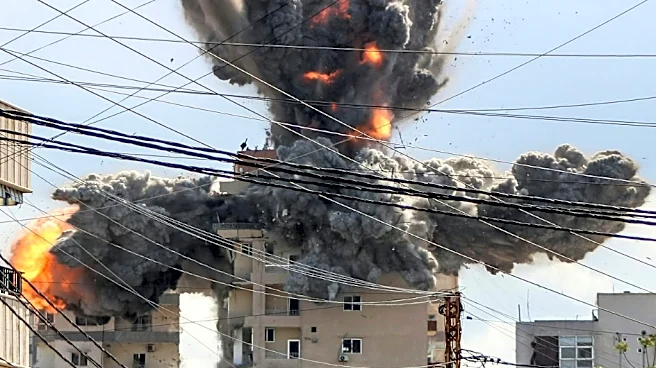
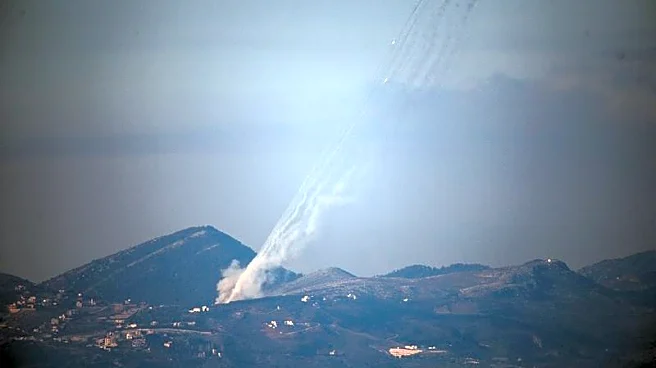
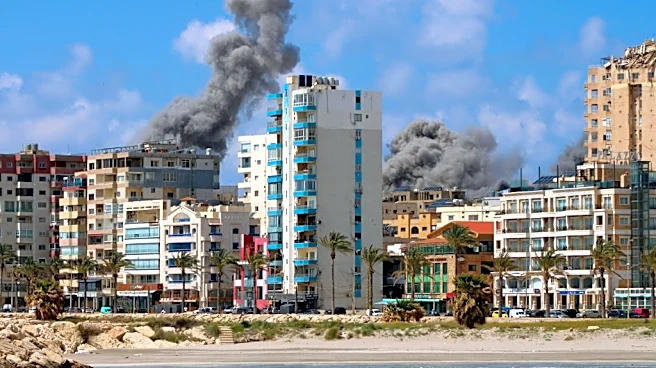
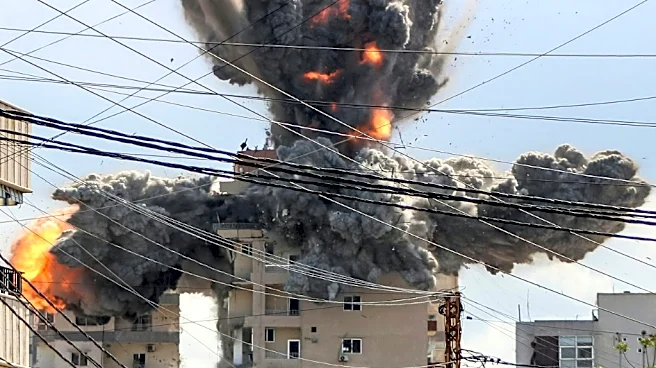
Rescue teams in Beirut are working tirelessly to find survivors in the aftermath of Israeli airstrikes that targeted multiple locations across Lebanon. The strikes, which Israel claims were aimed at over 100 Hezbollah command centers, represent the largest
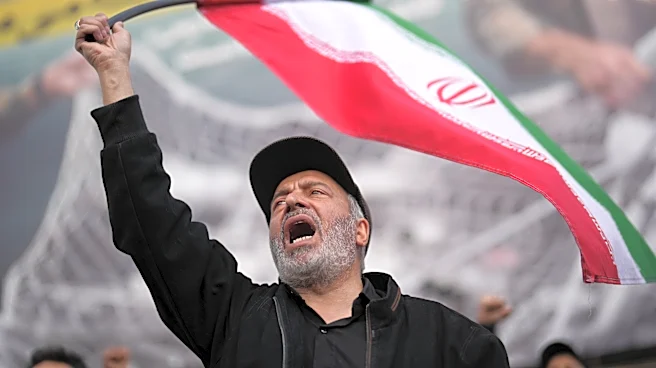
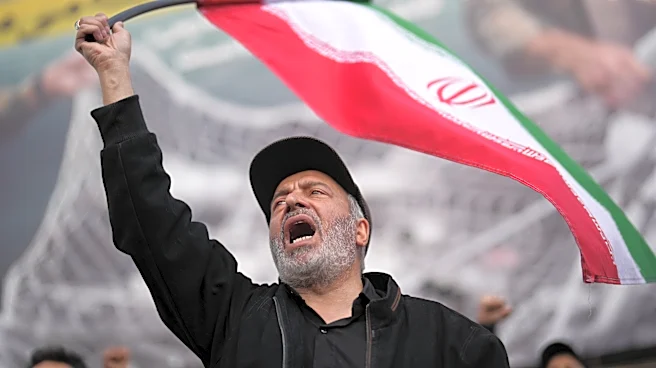
coordinated attack since the conflict began. This escalation comes despite a recently agreed two-week ceasefire between the U.S. and Iran, which does not extend to Lebanon according to Israeli statements. The situation remains tense as rescue operations continue, with significant damage reported in the affected areas.
Why It's Important?
The Israeli strikes on Lebanon have significant implications for regional stability and the fragile ceasefire between the U.S. and Iran. The continuation of hostilities in Lebanon could undermine diplomatic efforts to maintain peace in the region and may lead to further escalation of the conflict. The humanitarian impact is also severe, as the strikes have resulted in casualties and widespread destruction, complicating rescue and relief efforts. The international community is closely monitoring the situation, as any further deterioration could have broader geopolitical consequences.
What's Next?
As rescue operations continue, there is an urgent need for diplomatic interventions to prevent further escalation. The international community, including the U.N. and regional powers, may increase pressure on the involved parties to extend the ceasefire to Lebanon and engage in dialogue to resolve the conflict. Humanitarian organizations are likely to intensify their efforts to provide aid and support to affected populations. The situation remains fluid, and the response of major stakeholders will be crucial in determining the next steps.