







What's Happening?
The Brookings Institution has raised concerns about the escalating energy consumption of artificial intelligence (AI) and its potential conflict with climate neutrality objectives. According to an analysis by the independent Brookings Institution Policy
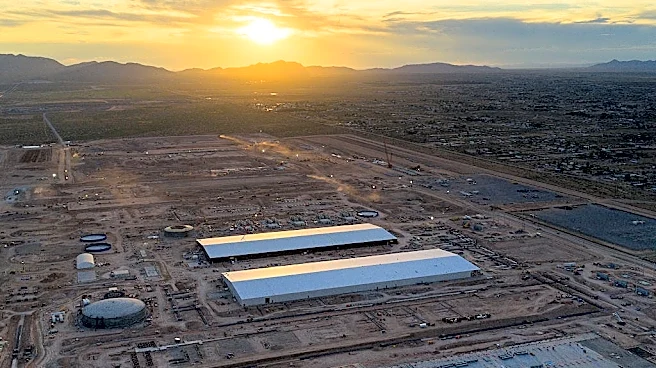
Analysis, AI's workload is projected to increase its share of data centers' total energy needs from approximately 37% currently to 46% by the end of the decade. This significant rise in energy demand, driven by advanced algorithms and large language models, poses a challenge to global decarbonization efforts. Traditional data centers require substantial electricity and water for cooling, leading to a considerable impact on local resources. The institution emphasizes that without a fundamental shift in technological architecture, the expansion of the AI sector risks undermining commitments to climate neutrality.
Why It's Important?
The increasing energy demands of AI have significant implications for U.S. industries, environmental policy, and economic stakeholders. The projected surge in energy consumption by data centers, largely driven by AI, could strain existing energy grids and necessitate substantial investments in new power generation, potentially from fossil fuels if renewable sources cannot keep pace. This directly challenges the U.S.'s climate neutrality goals and commitments to reducing carbon emissions. Industries reliant on AI, from technology to finance, will face pressure to adopt more energy-efficient solutions or risk contributing to environmental degradation. Furthermore, the need for vast amounts of water for cooling data centers could exacerbate water scarcity issues in certain regions, impacting local communities and agricultural sectors. The economic impact could include higher operational costs for AI-intensive businesses and potential regulatory burdens aimed at curbing energy use.
What's Next?
To mitigate the conflict between AI's energy demands and climate goals, the Brookings Institution's analysis suggests a need for a change in technological architecture. This includes exploring solutions like integrating hydrogen systems and advanced thermal recovery technologies into data center operations. The concept of urban symbiotic infrastructure, where computational structures are integrated into city fabrics through modular and distributed hydrogen data centers, is being considered. This approach aims to utilize waste heat from data processing for urban heating networks, transforming data centers into integrated thermal power plants. The transition towards zero-emission data centers will require advanced on-site electrical generation systems, such as fuel cells powered by green hydrogen, and highly efficient thermal management solutions like Direct Liquid Cooling. Regulatory frameworks and urban development plans will also need to evolve to support these sustainable digital infrastructure initiatives.
Beyond the Headlines
The challenge posed by AI's energy consumption extends beyond mere technical solutions, touching upon ethical and societal dimensions. The rapid advancement of AI, while offering numerous benefits, forces a re-evaluation of the environmental cost of technological progress. There's an ethical imperative to develop AI responsibly, ensuring its growth doesn't come at the expense of environmental sustainability. This situation could trigger long-term shifts in how technology is developed and deployed, emphasizing 'green AI' and sustainable computing practices. It also highlights the need for greater transparency in reporting the environmental footprint of digital services. Culturally, it may foster a greater awareness among consumers and businesses about the hidden environmental impacts of their digital activities, potentially leading to demand for more eco-friendly tech solutions and services. The integration of data centers into urban infrastructure also presents opportunities for innovative urban planning and resource management, transforming waste into valuable energy for communities.