







What's Happening?
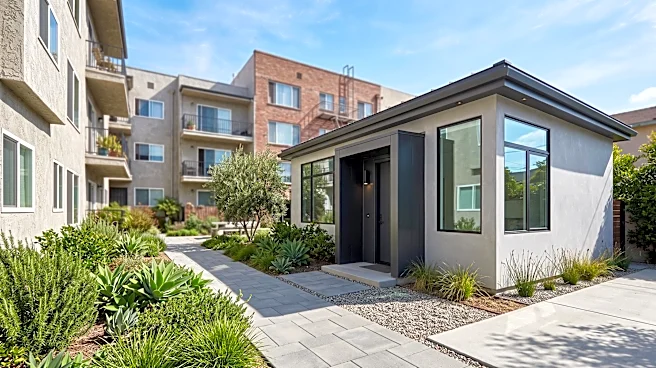
California voters have passed Proposition 37, a measure authorizing the California Housing Finance Agency (CalHFA) to issue up to $25 billion in revenue bonds. These bonds will fund fixed-rate second mortgages, covering as much as 17% of the purchase
price for qualifying newly constructed homes. This program aims to enable eligible buyers to purchase a home with as little as 3% of their own money down when combined with a traditional first mortgage. The assistance is structured as a loan, not a grant, meaning borrowers must repay the second mortgage. Eligibility criteria include being a California resident, intending to occupy the property as a primary residence, and having household incomes no greater than 200% of the area's median income. The program is not limited to first-time homebuyers but is specifically for newly constructed homes or qualifying residential conversions, excluding existing resale homes. Purchase-price limits will also apply, generally restricting eligible properties to homes priced below approximately $1 million to $1.5 million, depending on location.
Why It's Important?
This initiative is significant for California's housing market, which has long faced affordability challenges, particularly regarding down payments. The California Association of Realtors (CAR) estimates the program could provide homeownership opportunities for approximately 926,000 households, including middle-income workers like teachers, nurses, and firefighters. By reducing the upfront cash needed for a down payment, Proposition 37 addresses a major barrier to homeownership. The structure, which can keep the first mortgage at 80% loan-to-value, could also potentially eliminate the need for conventional private mortgage insurance, offering further financial relief to buyers. However, the impact will depend on the competitiveness of the second mortgage loan pricing and the number of eligible buyers who can qualify, as the cost of repaying the second mortgage could offset some savings. The program also presents new opportunities for homebuilders and their mortgage lending partners, as it is tied specifically to newly constructed homes.
What's Next?
CalHFA is now tasked with establishing the program, determining the amount of debt to issue, and setting the loan terms and procedures for delivering the financing. For California lenders and brokers, the critical details will be the cost of the second mortgage, its compatibility with existing first-mortgage products, and accessibility for participating originators. The state's Legislative Analyst's Office has highlighted investor demand and the cost of these loans compared to existing assistance programs as key factors influencing the measure's overall impact. Proposition 37 proponent Robert Hertzberg has reportedly approached potential investors about purchasing the bonds at below-market rates, which could help reduce borrowing costs if successful. The program's success in expanding homeownership will hinge on these implementation details and market reception.
Beyond the Headlines
The approval of Proposition 37 highlights a broader societal challenge in high-cost-of-living states like California: the struggle for middle-income individuals to achieve homeownership despite sufficient income for monthly mortgage payments. This program represents a legislative attempt to bridge the gap between income and the substantial upfront capital required for a down payment. While it aims to increase homeownership, it also introduces additional debt for borrowers through the second mortgage, raising questions about long-term financial stability for some. The focus on new construction could also stimulate the building industry, potentially addressing housing supply shortages, but it may not alleviate price pressures on existing homes. The ethical dimension of state-backed financial instruments influencing private market dynamics and the potential for unintended consequences on housing prices and market accessibility will be ongoing considerations.