





What's Happening?
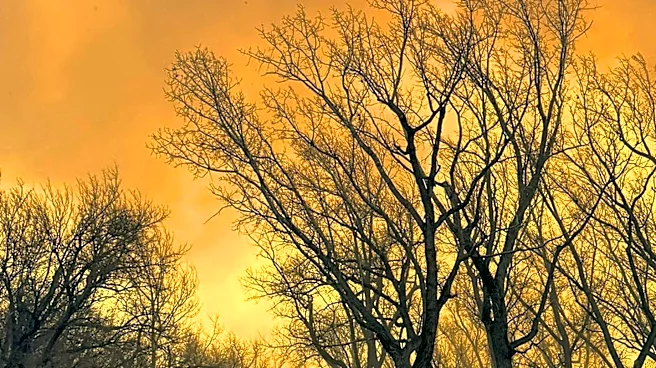
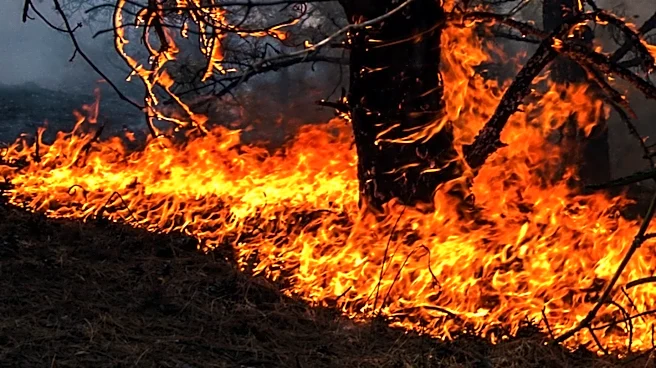
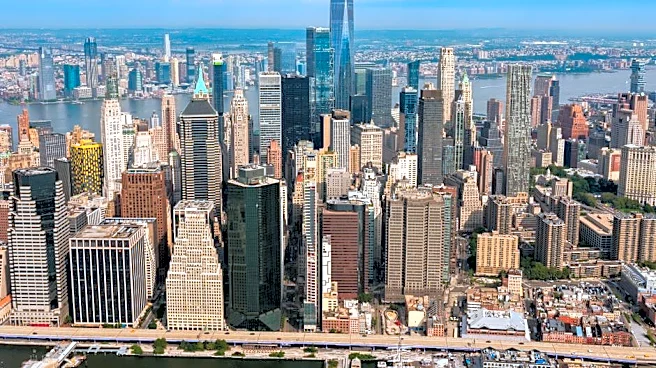
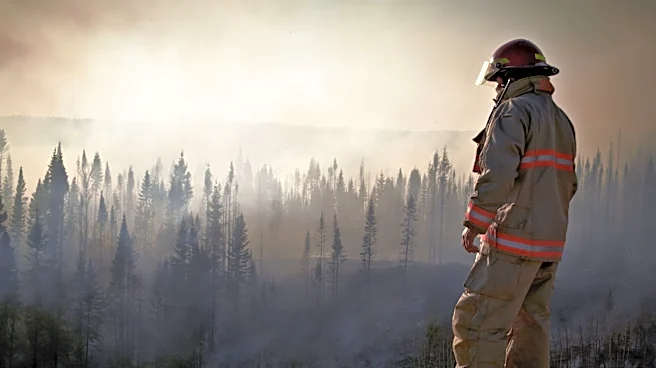
New York City Emergency Management (NYCEM) has concluded its citywide response to a significant wildfire smoke event that affected air quality across the five boroughs. The smoke, originating from 191 wildfires in Ontario, Canada, led to air quality levels
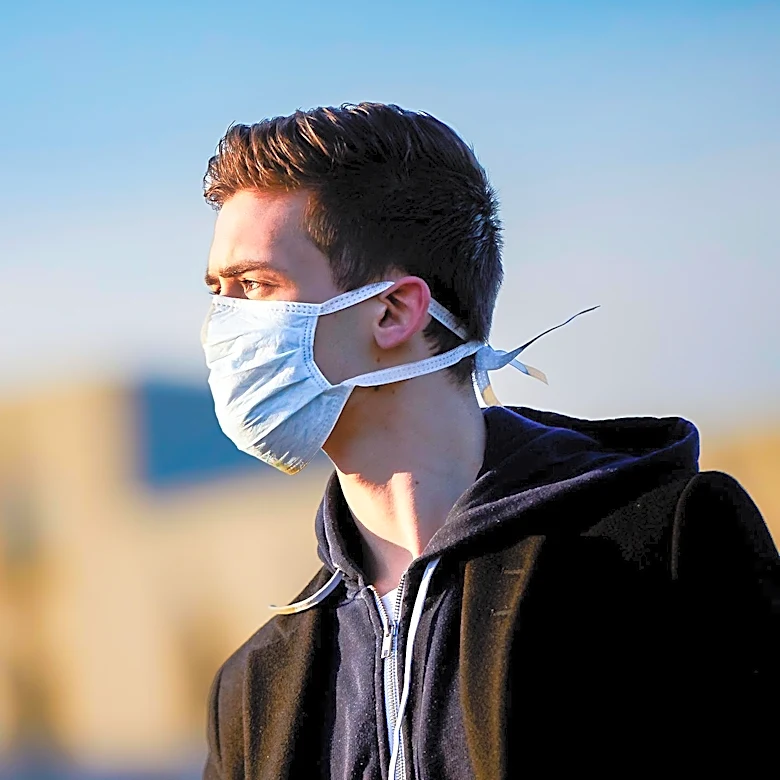
peaking at 289 on the Air Quality Index (AQI), categorized as 'Very Unhealthy'. This event marked the second-most severe smoke incident in the city's modern history, following a more extreme event in June 2023. The response involved coordination among various city and state agencies, including the distribution of masks and the operation of cooling centers. Despite the improvement in air quality, the fires in Canada continue to burn, and officials warn that conditions could change rapidly.
Why It's Important?
The event underscores the vulnerability of urban areas to environmental hazards originating from distant locations. The smoke not only posed health risks, particularly to sensitive groups, but also highlighted the need for robust emergency response systems capable of handling simultaneous crises, such as the concurrent heat emergency. The situation also emphasizes the interconnectedness of environmental issues across borders, as actions in one country can have significant impacts on another. The response demonstrated the importance of interagency cooperation and community resilience in managing public health threats.
What's Next?
While the immediate response has concluded, NYCEM and other agencies remain vigilant, ready to reactivate measures if conditions worsen. The ongoing fires in Canada mean that smoke could return, necessitating continued monitoring and public communication. Residents are encouraged to stay informed through official channels and to be prepared for potential future air quality alerts. The situation also calls for broader discussions on international cooperation in managing transboundary environmental issues.