





What's Happening?
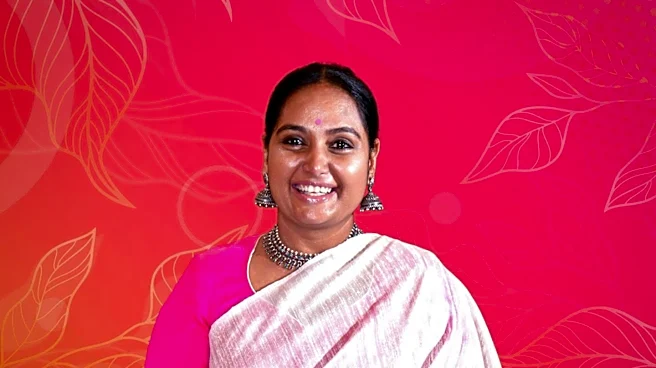
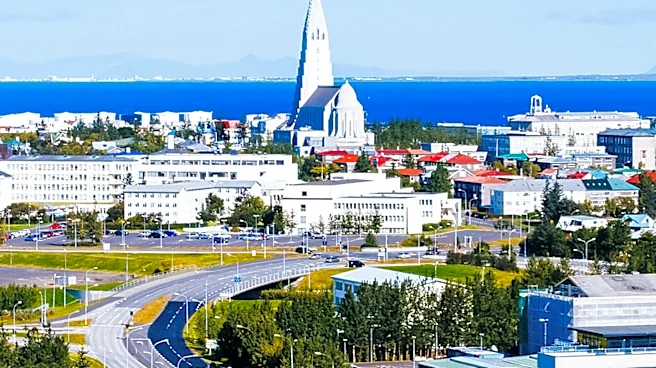
Iceland has long been celebrated for its gender equality, with women occupying significant positions across various sectors, including the presidency, prime minister's office, and public institutions. This shift has been part of a deliberate effort to dismantle
male dominance in public life. However, the article raises concerns about whether this focus on gender equality has led to a new form of imbalance, where public institutions are overwhelmingly female-dominated. The piece explores the cultural and institutional consequences of this shift, suggesting that it may have created blind spots and a lack of diversity in thought within these institutions.
Why It's Important?
The situation in Iceland serves as a cautionary tale for other nations striving for gender equality. While the empowerment of women in public roles is a positive development, the article suggests that it is crucial to maintain a balance to avoid creating new forms of inequality. The dominance of women in public institutions could lead to a lack of diverse perspectives, which is essential for healthy democratic discourse. This development highlights the importance of ensuring that efforts to promote equality do not inadvertently lead to new forms of institutional privilege or cultural blind spots.
What's Next?
The article implies that Iceland and other countries may need to reassess their approaches to gender equality to ensure that they foster true diversity of thought and representation. This could involve encouraging more balanced gender representation across all sectors, including those traditionally dominated by women. The discussion may prompt policymakers and social leaders to consider the broader implications of gender-focused policies and strive for a more inclusive approach that values diverse perspectives.
Beyond the Headlines
The article touches on the cultural impact of Iceland's gender equality model, noting that it has led to a cautious social atmosphere where individuals, particularly men, may feel silenced or hesitant to express themselves. This cultural shift underscores the importance of fostering environments where open dialogue and diverse viewpoints are encouraged, rather than stifled by fear of social repercussions. The piece suggests that true equality involves not just representation but also the freedom to engage in honest and open discourse.