



What's Happening?
The Sacramento region is actively preparing for a potentially severe 'Super El Niño' event, with the National Weather Service (NWS) indicating an over 83% chance that the 2026-27 El Niño could surpass the intensity of previous events since 1950. This
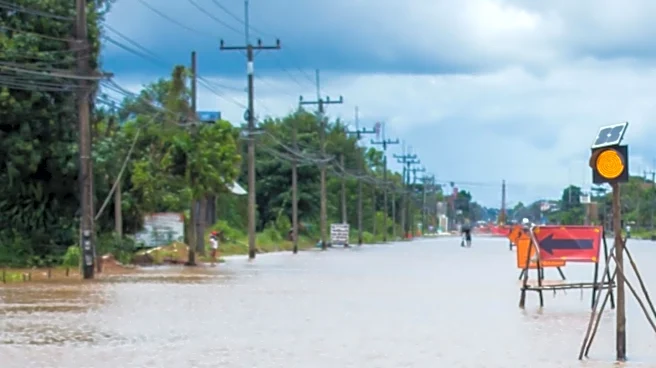
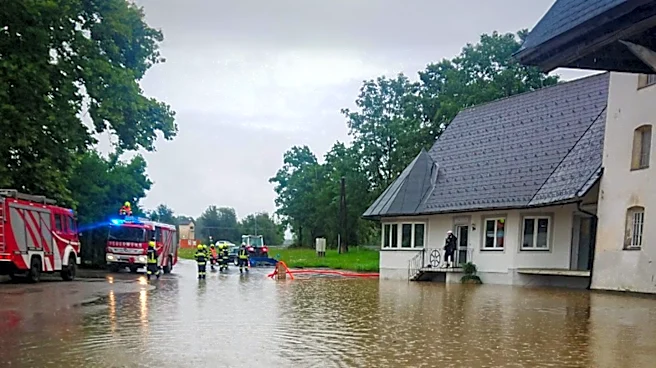
phenomenon, characterized by warmer ocean surface temperatures off Ecuador and northern Peru, typically brings higher-than-normal precipitation to California, particularly in the southern and central areas. Governor Gavin Newsom has already issued executive orders to reinforce the coastline. Local authorities, including Sacramento County's Office of Emergency Services and the Yuba Water Agency, are coordinating efforts, monitoring weather data, and communicating with neighboring counties. The region has a history of significant flooding, including the Great Flood of 1862 and the destructive 1986 flood, which saw Walnut Grove become a base for first responders. Despite past tragedies, flood preparedness is often overlooked by residents compared to wildfire and earthquake measures.
Why It's Important?
The potential for a 'Super El Niño' poses a significant threat to the Sacramento region, which has a long history of devastating floods. A major flood event could lead to widespread property damage, displacement of residents, and potential loss of life, impacting local economies and infrastructure. The NWS's strong forecast underscores the urgency for robust preparedness, as past floods have caused hundreds of millions in damages and forced tens of thousands of evacuations. While public officials are working to strengthen defenses and coordinate responses, the effectiveness of these measures will be crucial in mitigating the impact. The event highlights the ongoing challenge for communities in flood-prone areas to maintain vigilance and ensure residents are adequately prepared, especially given that many homeowners lack flood insurance. The coordination between state and local agencies will be critical in managing resources and providing aid during a potential crisis.
What's Next?
As the El Niño continues to strengthen, emergency officials are urging residents to take proactive steps. These include signing up for local emergency alerts, understanding neighborhood-specific flood risks and evacuation plans, preparing a 'go bag' for potential evacuation, and clearing debris from storm drains. Authorities also recommend considering flood insurance, which many residents currently lack. Sacramento County's Office of Emergency Services and the California Governor’s Office of Emergency Services (Cal OES) are maintaining open lines of communication and have contingencies in place, including the activation of emergency operations centers if a crisis occurs. These centers would consolidate county departments and community partners like the American Red Cross, and Cal OES stands ready to provide state-level assistance, including resources like sandbags, manpower, and potential funding or regulatory waivers if an emergency is declared.
Beyond the Headlines
The impending 'Super El Niño' not only presents an immediate threat but also underscores broader issues related to climate change and long-term infrastructure resilience in California. The increasing frequency and intensity of extreme weather events, as suggested by the NWS's forecast, highlight the need for continuous investment in flood control infrastructure, such as levees and drainage systems. The disparity in preparedness between flood risks and other natural disasters like wildfires and earthquakes suggests a cultural or educational gap that needs addressing. Furthermore, the economic implications extend beyond immediate damage, potentially affecting insurance markets, property values, and the long-term habitability of certain areas. This event could serve as a critical test case for how well U.S. regions adapt to and manage the escalating challenges posed by a changing climate, prompting a reevaluation of urban planning and disaster response strategies.