




What's Happening?
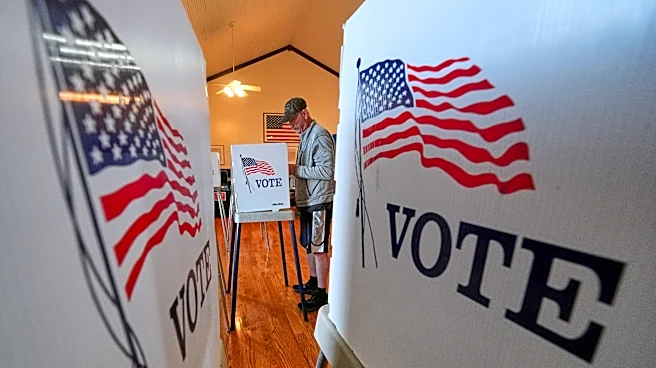
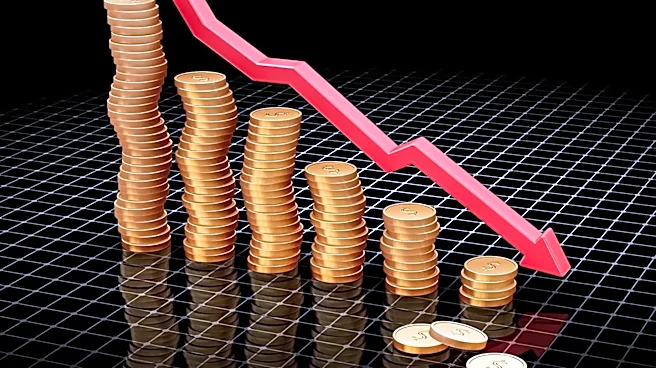
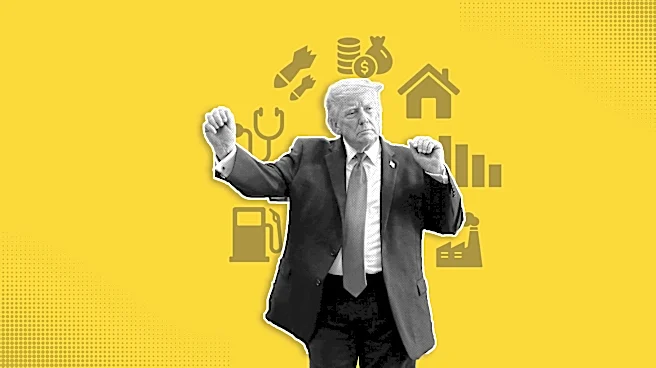
High household costs and widespread dissatisfaction with the current administration were prominent concerns among voters during the 2026 midterm elections in the United States. This focus has brought economic policy, particularly issues related to inflation,
household purchasing power, and fiscal priorities, under intense scrutiny. The political development links voter sentiment directly to broader questions about public institutions and economic stability. The central question now revolves around how relevant authorities will respond to these concerns and whether their subsequent actions will lead to changes in established policy. The debate is currently centered on defining responsibilities, communicating with affected groups, and addressing trade-offs between immediate demands and long-term objectives.
Why It's Important?
The prominence of cost-of-living concerns in the 2026 midterms signifies a critical juncture for U.S. economic policy. Public confidence can shift significantly when voters perceive a change in direction from their leaders. For businesses and households, the predictability of rules, the continuity of public services, and the ability of authorities to communicate a workable timetable are paramount. The outcome of these policy discussions will directly impact inflation rates, the purchasing power of American households, and the nation's fiscal health. How decision-makers translate political signals into enforceable policy outcomes will determine the economic landscape for years to come, affecting everything from consumer spending to investment decisions and overall market stability.
What's Next?
Attention will now turn to formal decision points, including official meetings, appointments, legislative actions, and agency guidance. Analysts will be watching for concrete plans, explanations of funding arrangements, and established accountability measures from authorities. The practical test will be whether political leaders can transform the current political position into clear and workable courses of action. This includes defining responsibilities, communicating effectively with affected groups, and balancing short-term demands with longer-term economic objectives. Investors will also be closely monitoring these developments to distinguish sector-specific effects from broader changes in risk appetite, as policy shifts can influence market sentiment and investment strategies.
Beyond the Headlines
The deep-seated concerns about the cost of living reflect more than just temporary economic fluctuations; they point to potential long-term shifts in public trust and expectations regarding government's role in economic stability. The challenge for policymakers extends beyond immediate inflation control to addressing underlying structural issues that contribute to rising costs, such as housing affordability, healthcare expenses, and wage stagnation relative to price increases. The political response to these concerns could lead to significant re-evaluations of fiscal policy, regulatory frameworks, and social safety nets. The lasting importance of this development will depend on the follow-through from political rhetoric to credible implementation, which could either bolster public confidence or leave uncertainty elevated.