


What's Happening?
Researchers at the World Institute of Kimchi have discovered that a lactic acid bacterium isolated from kimchi, Leuconostoc mesenteroides CBA3656, may help in the removal of nanoplastics from the human body. These ultrafine plastic particles, which can
enter the body through food and water, pose a risk as they may accumulate in organs like the kidneys and brain. The study, published in Bioresource Technology, demonstrated that this kimchi-derived bacterium can bind to polystyrene nanoplastics in the intestine, promoting their excretion. Under simulated human intestinal conditions, the bacterium maintained a high adsorption rate of 57%, significantly higher than the reference strain. Animal experiments further supported these findings, showing increased nanoplastic excretion in mice treated with the probiotic.
Why It's Important?
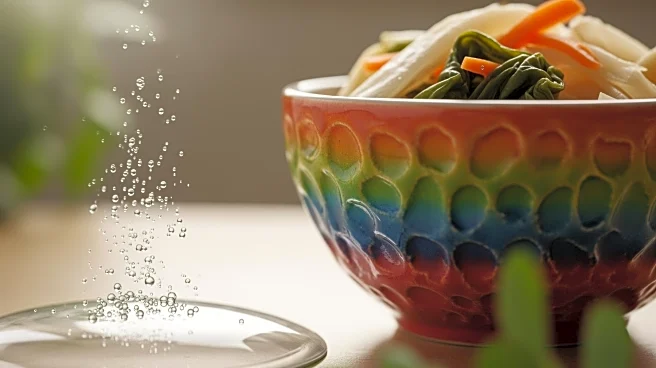
The study highlights a novel biological approach to addressing the growing concern of plastic pollution, which is increasingly recognized as a public health issue. By demonstrating the potential of kimchi-derived probiotics to reduce nanoplastic accumulation in the gastrointestinal tract, this research opens new avenues for mitigating the health risks associated with plastic pollution. The findings suggest that traditional fermented foods could play a role in environmental and public health solutions, offering a natural method to combat the pervasive issue of nanoplastics. This could have significant implications for food safety and health policies, potentially influencing future research and development in probiotic applications.
What's Next?
The research team plans to continue exploring the scientific value of kimchi microbial resources, aiming to expand their application in public health and environmental solutions. Further studies may focus on understanding the mechanisms behind the probiotic's ability to bind nanoplastics and its potential use in human dietary supplements. The findings could prompt interest from the food and health industries, leading to the development of new products designed to reduce nanoplastic exposure. Additionally, regulatory bodies might consider these findings when formulating guidelines for managing plastic pollution and its health impacts.
Beyond the Headlines
This research underscores the broader implications of integrating traditional foods into modern health solutions. The use of kimchi-derived probiotics not only addresses environmental concerns but also highlights the cultural significance of traditional diets in contemporary scientific research. This could lead to a renewed interest in exploring other traditional foods for their potential health benefits, fostering a deeper appreciation for cultural heritage in scientific innovation.