







What's Happening?
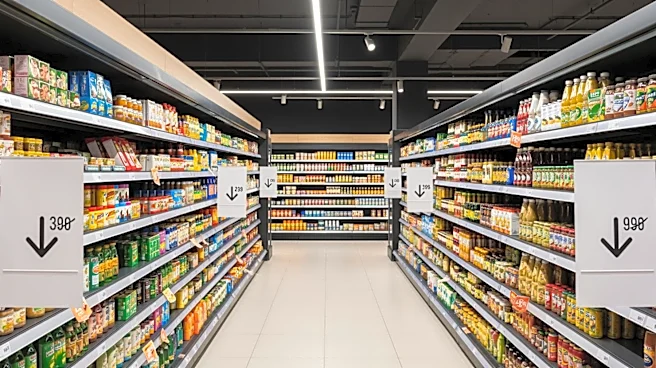
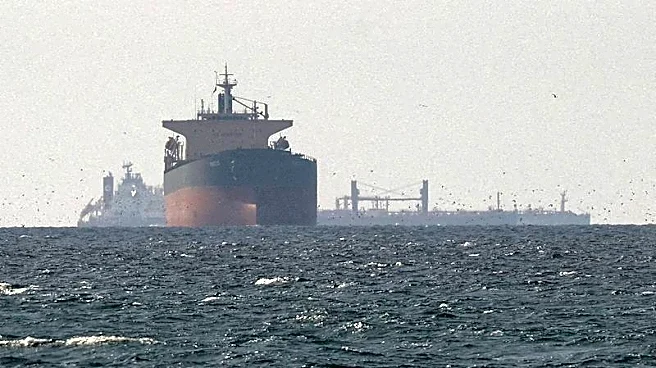
The UK government is developing contingency plans to address potential CO2 shortages affecting food supply chains, as geopolitical tensions in the Middle East, particularly the Strait of Hormuz blockade, disrupt global markets. CO2 is crucial for meat
processing, food preservation, and fizzy drinks. Industry bodies have reassured retailers and consumers that there are currently no major availability issues, although rising costs are a concern. The British Retail Consortium warns of inflationary pressures, while the British Poultry Council is reassured by government planning. Tesco's CEO Ken Murphy reports stable supply chains with no current availability issues. However, the National Farmers’ Union anticipates rising produce prices due to increased energy and fertilizer costs.
Why It's Important?
The potential CO2 shortage underscores vulnerabilities in the food supply chain, highlighting the need for real-time visibility and data integration. As energy and fertilizer costs rise, food prices may increase, affecting consumers and retailers. The situation emphasizes the importance of contingency planning and supply chain resilience. The UK government’s proactive measures aim to mitigate disruptions, but the broader impact on food prices and availability remains uncertain. This development could lead to increased inflationary pressures, affecting economic stability and consumer purchasing power.
What's Next?
The UK government is likely to continue monitoring the situation closely, potentially implementing further measures to ensure CO2 supply stability. Retailers and food manufacturers may need to adapt their sourcing and logistics strategies to manage rising costs and maintain supply chain continuity. The ongoing geopolitical tensions in the Middle East could lead to further disruptions, necessitating additional contingency planning and international cooperation to stabilize global markets.