








What's Happening?
A report by Army Radio indicates that Israel's Transportation Ministry had previously warned that its Security Division was inadequately equipped to handle the security of foreign flights. This concern emerged after Prime Minister Benjamin Netanyahu transferred
responsibility for foreign airline security to the ministry in mid-2025. Officials within the Security Division reportedly opposed this move, citing a lack of necessary tools, authority, and budget. Despite these internal objections, no formal alarm was raised, and the division did not seek assistance from security agencies. The Shin Bet had relinquished responsibility for securing foreign flights in 2021, and a classified State Comptroller report in May 2024 had already flagged this gap in security oversight. This report prompted the security cabinet to order the National Security Council to establish a team to examine the civil aviation security framework, involving various agencies including the Transportation Ministry, Shin Bet, and Mossad. During a year-long review, disagreements arose, with the NSC and Shin Bet advocating for the Transportation Ministry to assume responsibility, a position supported by Civil Aviation Authority Director Shmuel Zakai, despite the Security Division's internal protests.
Why It's Important?
This report reveals a critical and long-standing vulnerability in Israel's aviation security, specifically concerning foreign airlines. The transfer of responsibility to a division that internally deemed itself unprepared highlights a significant bureaucratic and operational disconnect. The Shin Bet's relinquishment of this role in 2021, coupled with the Transportation Ministry's perceived inability to fill the void, created a security vacuum that was even identified in a classified State Comptroller report. This situation could have profound implications for national security, as it suggests that foreign flights entering Israel may have been operating under less rigorous security scrutiny than necessary. The internal disagreements and the ultimate decision to proceed despite warnings underscore potential systemic issues in governmental decision-making processes regarding critical infrastructure security. This could lead to a loss of public trust in aviation safety and potentially impact international travel and tourism to Israel, as well as its standing in global security cooperation. The incident underscores the need for clear lines of responsibility, adequate resource allocation, and effective inter-agency collaboration in national security matters.
What's Next?
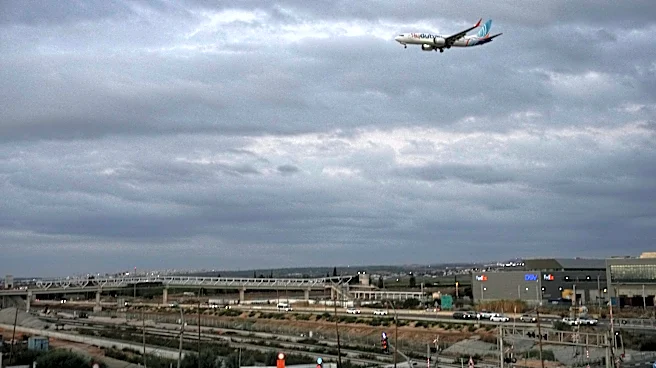
The revelations from the Army Radio report are likely to intensify scrutiny on the Transportation Ministry and the broader security establishment regarding their handling of foreign airline security. Given the recent alleged hijacking attempt, there will likely be renewed pressure to address the identified gaps in responsibility and resources. It is probable that the ongoing investigation into the flydubai incident will delve into these historical warnings and the decision-making process that led to the current security framework. This could result in a re-evaluation of the roles and responsibilities of various security agencies, potentially leading to a reallocation of resources or a restructuring of oversight for foreign flight security. There may also be calls for a public release or declassification of relevant portions of the State Comptroller's report to ensure transparency and accountability. Furthermore, the incident could prompt legislative action to clarify mandates and ensure that all critical security functions are adequately resourced and managed, preventing future instances of agencies feeling overburdened or lacking the necessary tools.
Beyond the Headlines
The underlying issue revealed by this report extends beyond aviation security to the broader challenges of inter-agency coordination and accountability within government. The internal warnings from the Transportation Ministry's Security Division, coupled with the Shin Bet's earlier withdrawal of responsibility, paint a picture of a system where critical security functions can fall through the cracks due to bureaucratic inertia or a lack of clear mandates. This situation raises ethical questions about the responsibility of officials to formally escalate concerns when they believe a critical security function is compromised. The classified nature of the State Comptroller's report, while understandable for security reasons, also highlights the tension between transparency and national security, especially when such reports identify significant vulnerabilities. This incident could serve as a catalyst for a more comprehensive review of how security responsibilities are assigned and managed across all critical sectors, not just aviation. It underscores the importance of not only identifying risks but also ensuring that the agencies tasked with mitigating those risks are adequately empowered, resourced, and supported to fulfill their mandates effectively.