





What's Happening?
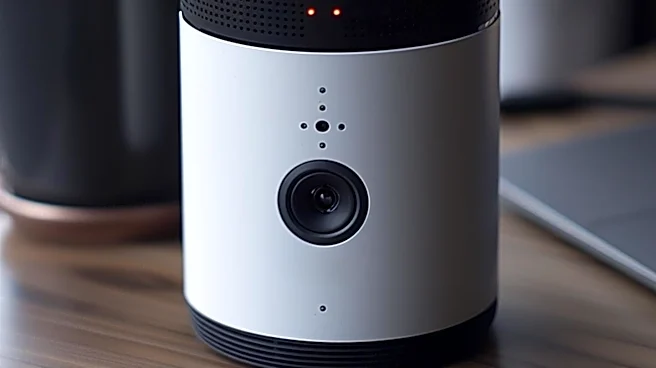
The Tapo H500 Smart IoT Hub is currently available at a discounted price, offering advanced features for smart home device management. This hub supports up to 16 Tapo cameras and 64 sensors, providing a centralized system for compatible smart home devices.
A key feature of the H500 is its 16GB of local storage, which is expandable up to 16TB with a separately purchased drive. This allows for extensive video and data storage without relying solely on cloud subscriptions. Furthermore, the device incorporates AI-powered detection capabilities, including facial, person, pet, and vehicle recognition. These AI features operate locally, eliminating the need for cloud storage subscriptions for their functionality. The Tapo H500 also boasts Matter integration, aiming to enhance interoperability within the smart home ecosystem. This release comes as consumers await Apple's new HomeView, with other smart home hubs from brands like Eufy and Philips Hue also seeing discounts.
Why It's Important?
The availability of the Tapo H500 Smart IoT Hub with its expanded local storage and AI-powered detection features is significant for U.S. consumers and the smart home industry. The emphasis on local storage addresses growing concerns about data privacy and recurring subscription costs associated with cloud-based services. By offering substantial local storage and AI processing on-device, Tapo provides an alternative that could appeal to users wary of continuous cloud reliance. The Matter integration is also crucial, as it aims to standardize communication between different smart home devices, potentially simplifying setup and improving user experience across various brands. This move could accelerate the adoption of smart home technology by reducing compatibility frustrations. For the industry, competitive pricing and advanced features like those in the H500 could drive innovation and competition, pushing other manufacturers to enhance their offerings in terms of local processing, storage, and interoperability.
What's Next?
The discounted pricing of the Tapo H500 Smart IoT Hub, alongside other smart home devices, suggests a competitive market environment as companies vie for consumer attention, especially with the anticipated release of Apple's HomeView. Consumers can expect continued innovation in local processing and storage solutions as manufacturers respond to demand for greater privacy and reduced subscription fees. The ongoing development and adoption of the Matter standard will likely lead to more seamless integration between diverse smart home products, making it easier for users to build and manage their connected homes. Future iterations of smart home hubs may further enhance AI capabilities, potentially offering more sophisticated and personalized automation routines. The market will likely see a continued focus on balancing advanced features with user-friendly interfaces and robust security measures.
Beyond the Headlines
The trend towards increased local storage and on-device AI processing, exemplified by the Tapo H500, reflects a broader shift in consumer preferences regarding data control and privacy. As smart homes become more prevalent, concerns about who owns and accesses personal data generated by these devices are escalating. By minimizing reliance on cloud services, products like the H500 offer a more private smart home experience, potentially setting a new standard for data handling in the industry. This could also influence regulatory discussions around data privacy in connected devices. Furthermore, the push for Matter integration highlights the industry's recognition of the need for a unified ecosystem, moving away from proprietary systems that often lock users into specific brands. This collaborative approach could foster greater innovation and accessibility, making smart home technology more approachable for a wider audience and potentially leading to new ethical considerations regarding AI's role in domestic environments.