






What's Happening?
The New York City Council held a hearing to question the Department of Education (DOE) regarding the use of technology, including screen time and artificial intelligence, in city public schools. Council members Shekar Krishnan and Eric Dinowitz expressed
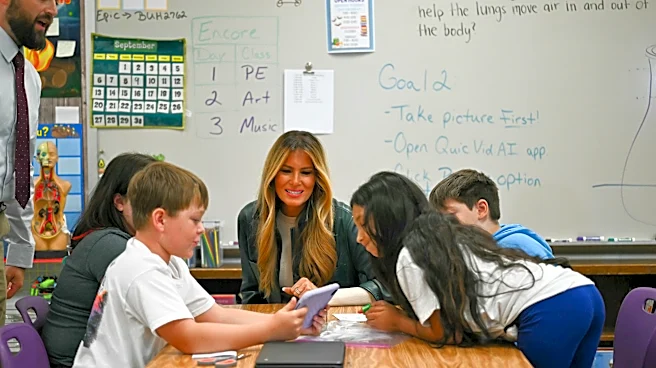
concerns that extensive screen time does not demonstrably improve learning outcomes. They specifically advocated for blocking students from unrestricted access to platforms like YouTube on school-issued devices, citing instances of students using these platforms for non-educational purposes. In response, Scott Strickland, the DOE's chief information officer, announced that YouTube had been filtered out of all student devices as of Wednesday night. The Council's inquiry also delved into the DOE's technology contracting processes, its guidelines for AI use, and the effectiveness of the existing cellphone ban. A 28-page briefing report released by the City Council, based on years of research and audits, indicated that increased screen time and device usage do not consistently lead to improved student achievement. The DOE was also pressed to clarify its definition of screen time, with First Deputy Chancellor Danielle Giunta emphasizing the need for intentional, active, rather than passive, use of digital devices in classrooms.
Why It's Important?
This initiative by the New York City Council highlights a growing national debate about the role and impact of technology in education, particularly concerning screen time and digital distractions. The Council's actions reflect a broader concern among educators and policymakers about potential negative effects on student attention spans, critical thinking, and overall cognitive development, often referred to as 'brain rot' from excessive consumption of shallow online content. The decision to filter YouTube from school devices could set a precedent for other school districts grappling with similar issues, potentially influencing technology policies across the country. The discussion also touches upon the financial implications of educational technology, as evidenced by the DOE's significant expenditure on iPads and monthly data costs, and the need for accountability in tracking these resources. For parents, the hearing underscores the mixed feelings about technology in schools, balancing its educational benefits with concerns about unsupervised exposure and potential misuse. This move could lead to a re-evaluation of educational technology strategies, prioritizing pedagogical effectiveness over mere device availability.
What's Next?
Following the DOE's immediate action to filter YouTube from student devices, the New York City Council is expected to continue its oversight of educational technology policies. Council members are particularly interested in the use of one-to-one devices for younger students and are considering a return to traditional pencil-and-paper testing for some assessments. Governor Kathy Hochul has also indicated her concern about screen time in schools, especially for younger grades, and plans to explore a statewide approach when the legislative session resumes next year. This suggests potential legislative actions at the state level to regulate screen time and digital device usage in public schools across New York. Further discussions are anticipated regarding the DOE's process for technology contracting and the development of AI guidance. The pilot phase of these changes will likely be monitored closely, with future adjustments based on feedback and observed outcomes. The broader implications could include a shift in educational technology procurement and implementation strategies, focusing more on evidence-based benefits and less on widespread device distribution.
Beyond the Headlines
The New York City Council's hearing on screen time and digital devices in schools delves into deeper societal implications beyond immediate educational outcomes. It reflects a growing concern about the cognitive and developmental impacts of constant digital engagement on young people, particularly in an era dominated by short-form content and algorithmic dopamine hits. The concept of 'brain rot' and the decline in 'deep reading' habits, as mentioned in the broader context of digital distraction, underscore a potential long-term shift in how younger generations process information and engage with complex ideas. This debate also touches upon the ethical considerations of technology companies' influence on educational environments and the responsibility of public institutions to safeguard children from potential harms of excessive digital exposure. The move to restrict certain platforms and re-evaluate device usage could signify a cultural pushback against unchecked technological integration in daily life, advocating for a more balanced approach that prioritizes human development and critical thinking over digital convenience. It also highlights the ongoing challenge of defining and measuring the true educational value of technology versus its potential for distraction and passive consumption.