



What's Happening?
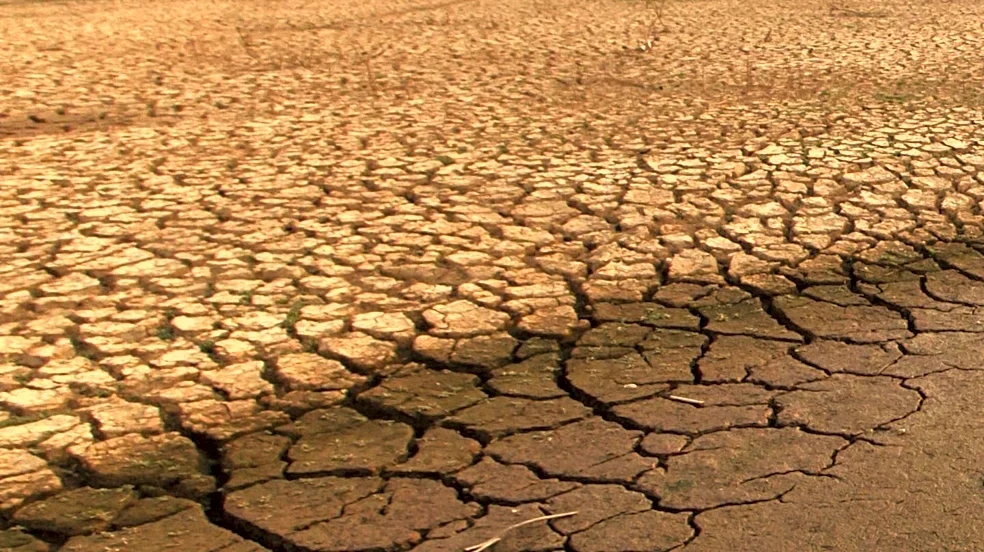
Texas pumpkin yields are significantly below average this year, primarily due to extreme drought conditions experienced throughout the summer. In Floyd County, recognized as the 'Pumpkin Capital of Texas,' yields have plummeted by 30% to 40% compared
to a typical year, according to the Texas A&M AgriLife Extension. Mark Carroll, the AgriLife Extension agent for Floyd County, stated that the lack of rainfall severely impacted the pumpkin crop. Despite farmers planting 1,200 acres of pumpkins this year, the harvest concluded one to two weeks earlier than usual because of the low yields. While pumpkins are typically irrigated, the absence of subsoil moisture before planting and early in the growing season proved detrimental to crop establishment.
Why It's Important?
The substantial reduction in Texas pumpkin yields due to drought has significant economic implications for farmers and the agricultural sector. Lower yields mean reduced income for farmers, impacting their profitability, especially with high input costs. Floyd County's role as a major pumpkin producer, shipping across the nation for Halloween and Thanksgiving, means these local agricultural struggles can have broader market effects, potentially influencing supply chains and consumer prices, though the source indicates prices and demand have remained steady. This situation highlights the vulnerability of even irrigated crops to prolonged drought and the critical importance of initial soil moisture for successful agricultural seasons. The financial strain on farmers could lead to long-term challenges for agricultural communities.
What's Next?
While the immediate harvest season for pumpkins has concluded, the long-term outlook for Texas agriculture remains dependent on future weather patterns and climate conditions. Farmers will likely need to assess and adapt their planting strategies for upcoming seasons, potentially exploring more drought-resistant varieties or investing further in water conservation technologies. The ongoing high input costs, coupled with reduced yields, will continue to pressure farmers' profit margins, necessitating careful financial planning. The experience of this year's drought may also prompt discussions and research into improving soil moisture retention and irrigation efficiency to better prepare for future dry spells.
Beyond the Headlines
The severe impact of drought on Texas pumpkin yields points to a broader trend of climate change affecting agricultural productivity across the U.S. This situation underscores the need for resilient farming practices and robust support systems for farmers. Beyond the economic losses, there are potential cultural implications, as pumpkins are a significant part of seasonal traditions like Halloween and Thanksgiving. A consistent decline in local yields could shift sourcing patterns, potentially increasing reliance on imports or altering the availability of certain varieties. This event serves as a stark reminder of how environmental factors directly influence both agricultural economies and cultural practices.