






What's Happening?
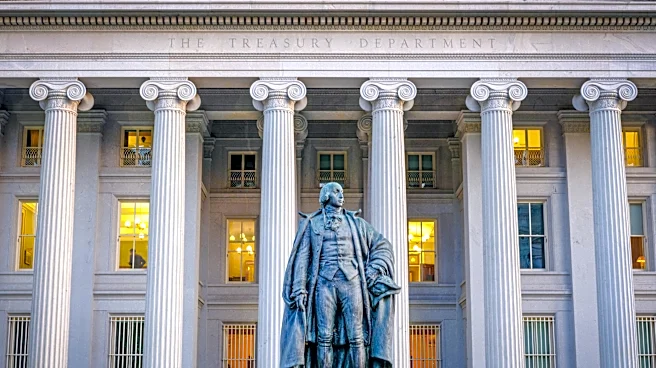
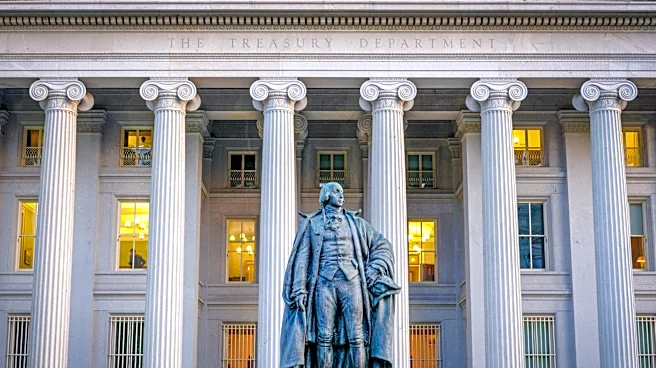
The U.S. Department of the Treasury has imposed sanctions on eight Canadian currency-exchange businesses, accusing them of facilitating financial transactions for Iranian entities to evade sanctions. These measures, part of "Operation Economic Outcast,"
target firms primarily located in Ontario and British Columbia, including Million Exchange, Amin Exchange, and Cryptoyal. According to Treasury Secretary Scott Bessent, these businesses allegedly helped sanctioned Iranian entities and laundered proceeds by converting Iranian rials and other currencies into digital assets like cryptocurrency. Some firms are also accused of assisting an alleged head of a drug trafficking ring. The sanctions effectively cut these businesses off from the U.S. dollar-based financial system, freezing any assets they hold in the U.S. and prohibiting transactions with American individuals or entities. The Financial Transactions and Reports Analysis Centre of Canada (FINTRAC) confirmed its collaboration with the U.S. Financial Crimes Enforcement Network (FinCEN) in this action.
Why It's Important?
These sanctions are significant for U.S. national security and its efforts to combat illicit financial activities globally. By targeting Canadian firms, the U.S. Treasury is sending a clear message that it will pursue entities in allied nations if they are perceived to be undermining U.S. sanctions against Iran. This action aims to sever financial lifelines to the Iranian regime and the Islamic Revolutionary Guard Corps (IRGC), which the U.S. considers a terrorist organization. The use of cryptocurrency for money laundering by these firms highlights the evolving challenges in financial crime and the need for international cooperation in regulating digital assets. For the U.S., these sanctions reinforce its commitment to preventing the proliferation of weapons and supporting terrorism, while also protecting the integrity of the global financial system. The involvement of Canadian firms also underscores the transnational nature of financial crime and the importance of robust anti-money laundering frameworks across borders. The freezing of assets and prohibition of transactions will severely impact the targeted businesses and could deter others from engaging in similar activities.
What's Next?
The immediate consequence for the sanctioned Canadian firms will be their effective isolation from the U.S. financial system, likely leading to significant operational challenges and potential legal repercussions. The U.S. Treasury will continue to monitor financial flows and may impose further sanctions on other entities found to be circumventing sanctions against Iran or engaging in illicit financial activities. This action could also prompt Canadian authorities to increase their scrutiny of currency exchange businesses and implement stricter regulations to prevent similar occurrences. Internationally, this move may encourage other nations to enhance their own anti-money laundering and counter-terrorist financing measures, particularly concerning the use of digital assets. The U.S. will likely continue its "Operation Economic Outcast" to identify and disrupt other networks supporting sanctioned entities, potentially expanding its focus to other regions and financial sectors.
Beyond the Headlines
This action by the U.S. Treasury highlights the increasing complexity of financial warfare and the challenges posed by the digital age. The alleged use of cryptocurrencies by these firms for money laundering underscores a growing concern for regulators worldwide: how to effectively monitor and control illicit financial flows in a decentralized digital environment. This incident could accelerate discussions and initiatives for international cooperation on cryptocurrency regulation and enforcement. Furthermore, the sanctions against firms in a close ally like Canada demonstrate the U.S.'s unwavering commitment to its sanctions regime, even at the risk of diplomatic friction. It also raises questions about the oversight and regulatory gaps in various jurisdictions that allow such activities to flourish. The long-term implications could include a more integrated global approach to financial surveillance and a heightened focus on the vulnerabilities of digital financial systems to illicit exploitation.