
What's Happening?
The Environmental Data and Governance Initiative (EDGI) has released a report titled 'Trends and Accountability in EPA Greenhouse Gas Reporting Program Data,' which includes BP's Whiting Refinery among
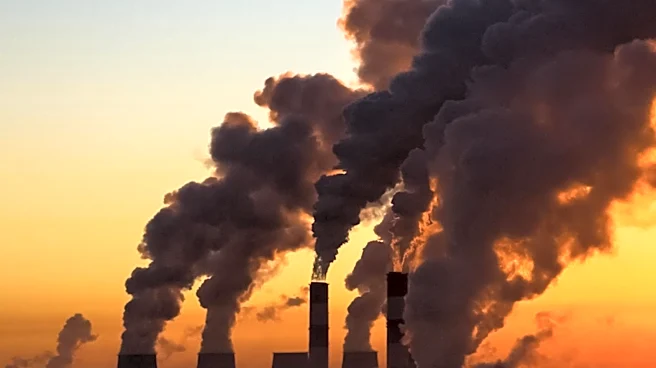
the top greenhouse gas polluters in the United States. The report examines emissions data reported to the U.S. Environmental Protection Agency (EPA) and highlights the significant contributions of suppliers like BP to greenhouse gas emissions. The Whiting Refinery, located in Indiana, emitted over 655 million metric tons of carbon dioxide equivalent from 2010 to 2023. The report also notes a proposal by the EPA, following an executive order from President Trump, to remove program obligations for 46 source categories, potentially affecting the collection of emissions data from over 8,000 facilities. Despite a record low in direct emissions in 2023, projected emissions from suppliers have reached new highs.
Why It's Important?
The inclusion of BP's Whiting Refinery in the report underscores the ongoing environmental challenges posed by industrial emissions in the U.S. The refinery's significant contribution to greenhouse gas emissions highlights the broader issue of industrial pollution and its impact on climate change. The potential rollback of EPA reporting obligations could hinder transparency and accountability in emissions tracking, affecting efforts to mitigate climate change. This development is crucial for policymakers, environmental groups, and communities living near such facilities, as it may influence future regulatory actions and public health initiatives. The report's findings could also impact BP's operational strategies and its public image, as it faces increased scrutiny over its environmental practices.
What's Next?
The report may prompt further discussions and actions among environmental advocacy groups, policymakers, and local communities. Organizations like Just Transition Northwest Indiana are likely to increase their efforts in community education and advocacy, pushing for more stringent regulations and greater transparency in emissions reporting. The EPA's proposed changes to reporting obligations could face legal challenges or calls for revision, especially from environmental groups concerned about the potential weakening of emissions oversight. Additionally, BP and other major suppliers may need to reassess their environmental strategies to address public and regulatory pressures.
Beyond the Headlines
The report highlights the ethical and public health implications of industrial emissions, particularly for communities living near large polluting facilities. Residents like those in Whiting, Indiana, face increased health risks, including respiratory issues and cancer, due to prolonged exposure to pollutants. The situation raises questions about environmental justice and the need for equitable solutions that protect vulnerable populations. Long-term, the report could influence shifts in energy policy and corporate responsibility, encouraging a transition towards cleaner energy sources and more sustainable industrial practices.