







What's Happening?
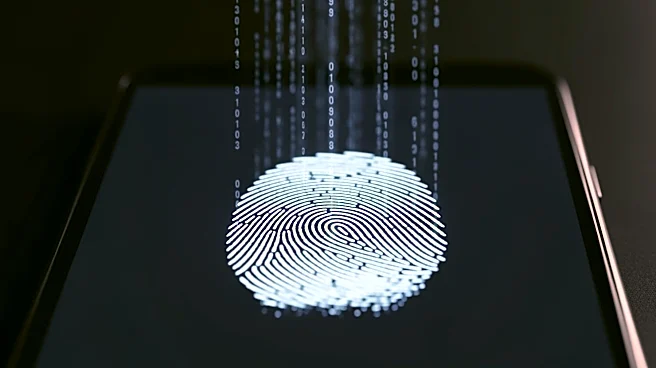
Recent advancements in smartphone camera technology have raised concerns about the potential misuse of high-resolution images shared on social media platforms. According to cybersecurity expert Bryan Lopez from Microsoft, the detailed images captured
by modern smartphones can be manipulated by malicious actors to extract biometric data, such as fingerprints, from photos. This development poses a significant security risk as these images can be used to create biometric templates, which were previously only possible with forensic laboratory resources. The threat extends beyond fingerprints, with AI tools capable of synthesizing voices from short audio clips, potentially bypassing voice authentication systems. The rise of deepfakes further exacerbates the issue, allowing for the creation of realistic but fake videos and images that can damage reputations or facilitate identity fraud.
Why It's Important?
The implications of this technological vulnerability are profound, particularly as cybercrime continues to rise. In 2024, the FBI reported over 850,000 cybercrime complaints, with losses exceeding $16 billion. The inability to replace biometric data, unlike passwords, makes this threat particularly severe. Once biometric data is compromised, the exposure is permanent, posing a long-term risk to individuals and organizations. The ease with which AI can now reconstruct biometric data lowers the barrier for potential attackers, increasing the urgency for improved security measures. This situation highlights the need for multi-factor authentication systems that do not rely solely on biometrics, as well as increased awareness and privacy practices among social media users.
What's Next?
To mitigate these risks, experts recommend adopting passkey-based authentication systems that combine biometrics with cryptographic credentials. Users are advised to enhance their privacy settings on social media, avoid posting high-resolution images of hands and faces, and limit the sharing of videos with isolated voice content. Platforms that maintain original image quality pose a higher risk, emphasizing the need for behavioral awareness and deliberate privacy hygiene. As technology continues to advance, these proactive measures are crucial in protecting personal data from being exploited by cybercriminals.