




What's Happening?
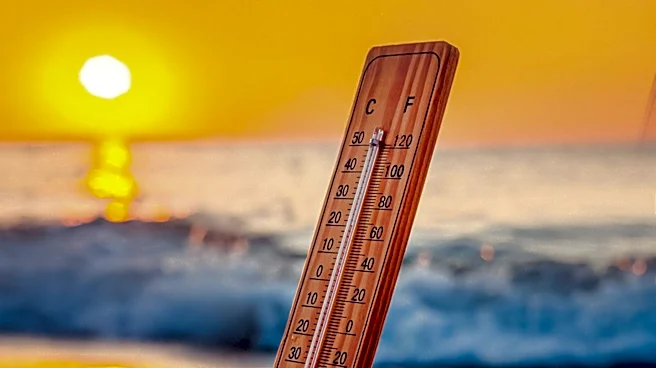
The Western United States is experiencing a severe heat wave, with temperatures forecasted to exceed 115 degrees in cities like Las Vegas and Phoenix. The National Weather Service has issued extreme heat watches and warnings across the region, including
parts of the L.A. Basin and Salt Lake City. This heat wave is part of a broader trend of record-breaking temperatures in the West, which has seen some of the hottest conditions on record this year. The heat is expected to persist into the first week of August, posing significant health risks, especially for those without access to air conditioning.
Why It's Important?
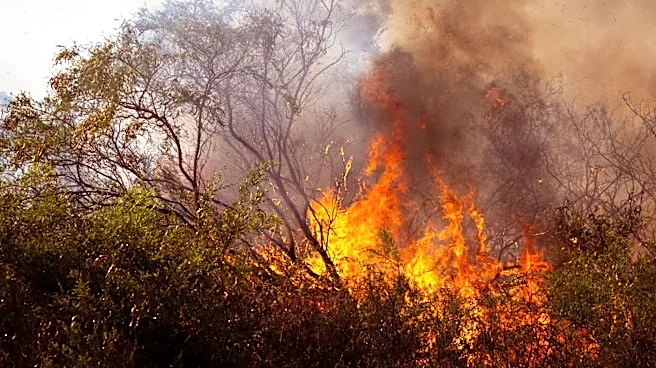
Extreme heat is the leading weather-related cause of death in the U.S., and this heat wave highlights the growing challenges posed by climate change. The persistent high temperatures can lead to increased energy demand, strain on power grids, and heightened risk of wildfires. Vulnerable populations, such as the elderly and those with chronic illnesses, are particularly at risk. The situation underscores the need for effective public health strategies and infrastructure improvements to mitigate the impacts of extreme weather events.
What's Next?
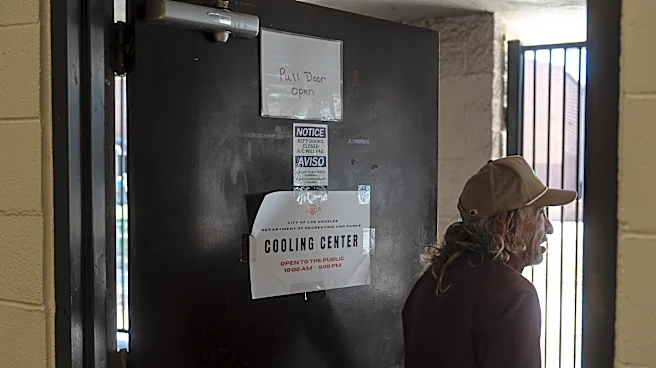
As the heat wave continues, authorities are urging residents to take precautions, such as staying indoors during peak heat, staying hydrated, and checking on vulnerable neighbors. The ongoing heat may also prompt further discussions on climate adaptation strategies and the need for sustainable urban planning to better cope with extreme weather conditions in the future.