







What's Happening?
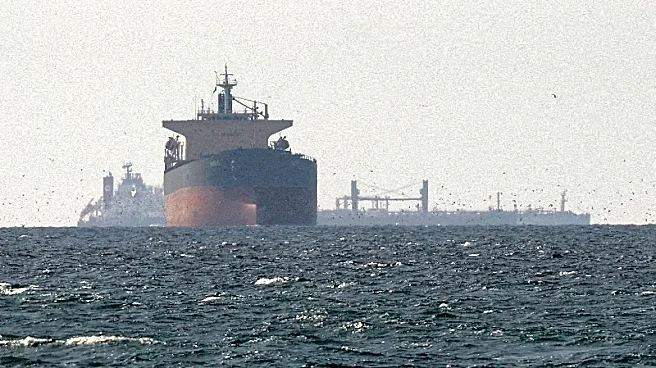
The United Nations Food and Agriculture Organization (FAO) has warned that the closure of the Strait of Hormuz could lead to a severe global food price crisis within six to twelve months. The FAO emphasizes the need for immediate action by governments
to address potential disruptions in fertilizer supply, which could impact food production. The closure has already affected the FAO Food Price Index, which has risen for three consecutive months. The FAO calls for alternative trade routes and measures to protect humanitarian food flows.
Why It's Important?
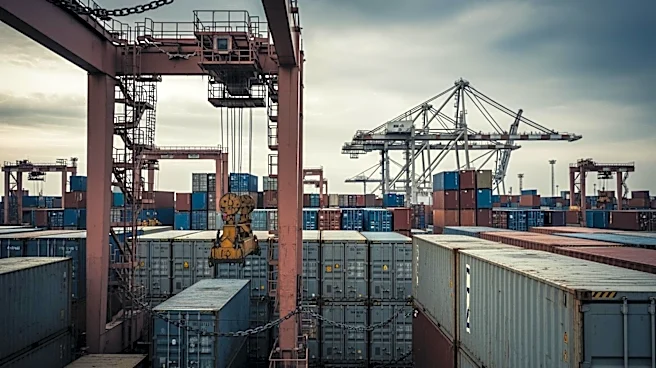
The potential food crisis underscores the interconnectedness of global supply chains and the impact of geopolitical tensions on food security. The closure of the Strait of Hormuz, a critical passage for oil and fertilizer shipments, could exacerbate food shortages in vulnerable regions, particularly in Asia, Africa, and Latin America. This situation highlights the need for international cooperation to ensure food security and mitigate the effects of geopolitical conflicts on global markets.
What's Next?
Governments may need to explore alternative trade routes and increase domestic production to mitigate the impact of the Hormuz closure. The FAO's warning could prompt international efforts to stabilize food prices and ensure the availability of essential agricultural inputs. The situation may also lead to policy changes aimed at enhancing global food security and resilience against future disruptions.