



What's Happening?
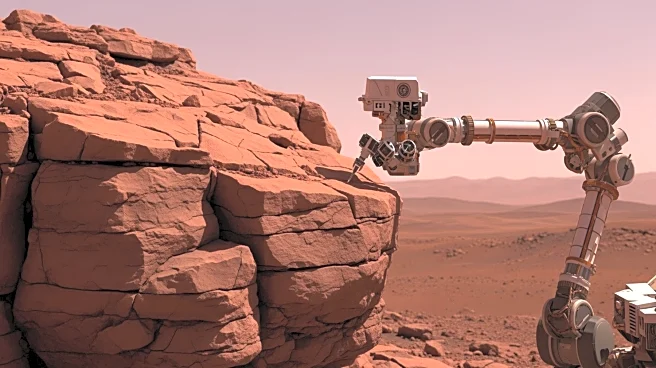
NASA's Curiosity rover is conducting a detailed analysis of Martian rock samples at the 'Nevado Sajama' drill site. The rover, which has been exploring Mars since 2012, recently returned to this location to perform a deeper investigation into the minerals
and compounds present in the rock. This analysis involves the use of the Sample Analysis at Mars (SAM) instrument suite, which employs a chemical reagent, tetramethylammonium hydroxide (TMAH), to make otherwise undetectable molecules visible. The process includes drilling into the rock, collecting samples, and applying the TMAH reagent before analyzing the treated sample with a mass spectrometer. The team is currently awaiting results from the first part of the SAM analysis while continuing with the second part. In addition to the primary analysis, the rover's team has been conducting other scientific observations, such as targeting the interior of the drill hole with ChemCam, analyzing nearby rocks, and measuring atmospheric chemistry.
Why It's Important?
The ongoing analysis by Curiosity is crucial for understanding the geological history and potential habitability of Mars. By identifying the minerals and compounds in Martian rocks, scientists can gain insights into the planet's past environmental conditions, including the presence of water and other life-supporting elements. This research contributes to the broader goals of NASA's Mars exploration program, which aims to determine whether life ever existed on Mars and to prepare for future human exploration. The findings from Curiosity's analysis could inform the selection of future landing sites for missions and help refine the search for signs of past life. Additionally, the technological advancements and methodologies developed for this mission enhance our capabilities for remote scientific research on other planets.
What's Next?
The next steps involve completing the ongoing SAM analysis and interpreting the results to draw conclusions about the composition of the Martian rock samples. The Curiosity team will continue to conduct additional scientific observations as power allows, including atmospheric measurements and imaging surveys. These efforts will provide a more comprehensive understanding of the Martian environment and its potential to support life. The data collected will also be used to plan future missions and experiments, furthering our exploration of Mars and the search for extraterrestrial life.