







What's Happening?
Prime Minister Shehbaz Sharif of Pakistan has declared that artificial intelligence (AI) and digitization are crucial for the nation's development. During a review meeting in Islamabad, he stressed the need to accelerate the adoption of these technologies
across key sectors, including agriculture, trade, healthcare, and governance. The Prime Minister's Office (PMO) highlighted that effective use of digitization, AI, and modern technology plays a vital role in improving trade, exports, agricultural production, business facilitation, and the quality of government services. This initiative follows the launch of the AI-based Prime Minister's Office System (PMOS) on July 21, which aims to replace traditional paper-based workflows with digital processes, making it the first government platform in Pakistan to integrate AI for decision-making and implementation monitoring. The Ministry of IT and Telecommunication also plans to launch 20,000 online AI training programs for various professionals and fresh graduates.
Why It's Important?
This focus on AI and digitization by Pakistan's leadership signifies a strategic shift towards a technology-driven economy. For the U.S., this development could present opportunities for collaboration in AI research, development, and implementation, particularly in areas like agricultural technology and digital governance. U.S. tech companies specializing in AI solutions, e-commerce platforms, and digital infrastructure could find new markets and partnerships in Pakistan. Conversely, increased digital capabilities in Pakistan could also lead to enhanced cybersecurity challenges, requiring international cooperation. The emphasis on training programs suggests a long-term commitment to building a skilled workforce, which could influence global talent pools and potentially foster competition or collaboration in the tech sector. The initiative to leverage partnerships with companies like Alibaba for SME access to global markets also indicates a potential shift in trade dynamics, which U.S. businesses would need to monitor.
What's Next?
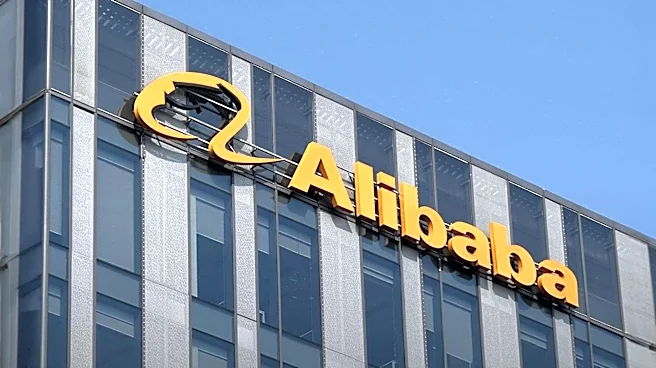
Following Prime Minister Sharif's directives, relevant ministries are expected to complete necessary measures by November and submit progress reports on AI and digitization initiatives. The government aims to translate cooperation with Alibaba into tangible results, focusing on projects with clear targets, timelines, and effective monitoring mechanisms. This includes the implementation of a cancer early detection system with Alibaba's cooperation and the prompt introduction of an analytics system for monitoring the petroleum product supply chain by OGRA. The 15-day training program for IT graduates in AI, under the Ignite program and in collaboration with Alibaba, is also slated to begin soon. The Export Promotion Board is tasked with ensuring cooperation with Alibaba to boost national exports. These steps indicate a rapid push towards integrating AI and digital solutions across various governmental and economic functions.
Beyond the Headlines
The push for AI and digitization in Pakistan extends beyond immediate economic benefits, touching upon broader societal and ethical considerations. The integration of AI into governance, as seen with the PMOS, raises questions about data privacy, algorithmic bias, and transparency in decision-making. While the government aims to improve efficiency and service delivery, the ethical frameworks for AI deployment will be crucial. The large-scale AI training programs, while boosting the workforce, also highlight the potential for job displacement in traditional sectors, as emerging AI technologies are expected to replace millions of jobs annually. This necessitates a proactive approach to reskilling and upskilling the workforce to mitigate socio-economic disruptions. Furthermore, the collaboration with international tech giants like Alibaba could influence Pakistan's technological standards and geopolitical alignments in the long run, potentially impacting the global balance of technological influence.