





What's Happening?
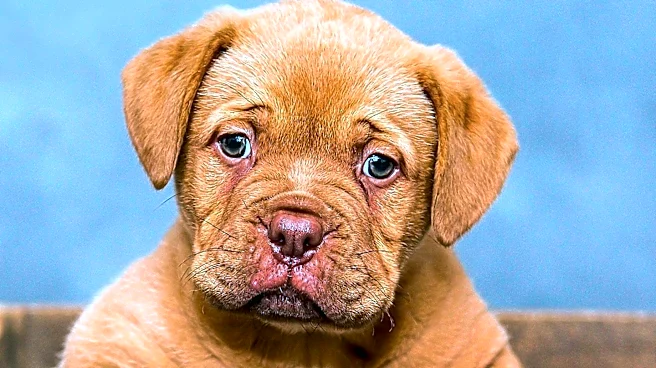
Delaware has enacted a law prohibiting the sale of dogs and cats in pet shops, marking a significant milestone in the movement against the puppy mill industry. This development brings the total number of U.S. states with similar bans to ten. The legislation
aims to end the cruel practices associated with puppy mills, where mother dogs are repeatedly impregnated and puppies are often transported in poor conditions to pet stores. The movement has gained bipartisan support across the U.S., reflecting a growing consensus that companion animals should not be treated as commodities.
Why It's Important?
The ban on the sale of puppy mill puppies in pet shops represents a significant shift in public policy and consumer attitudes towards animal welfare. It highlights a broader societal recognition of the need to protect animals from inhumane treatment. This legislative trend could lead to improved conditions for dogs and cats, reducing the demand for animals bred in poor conditions. The movement also underscores the power of grassroots advocacy and bipartisan cooperation in effecting change at the state level.
What's Next?
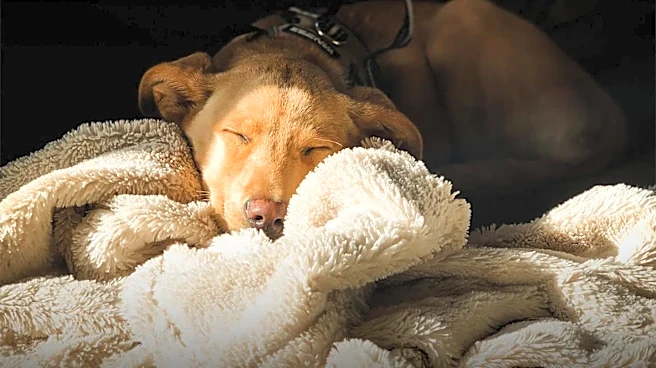
With ten states now enforcing bans, the focus may shift to other states and localities to adopt similar measures. Advocacy groups are likely to continue pushing for more comprehensive federal regulations to protect animals in commercial breeding facilities. Additionally, there may be increased efforts to promote adoption from shelters and reputable breeders as alternatives to purchasing pets from pet shops.