

What's Happening?
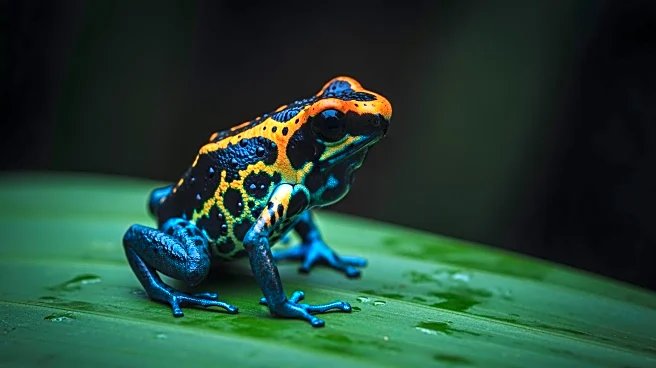
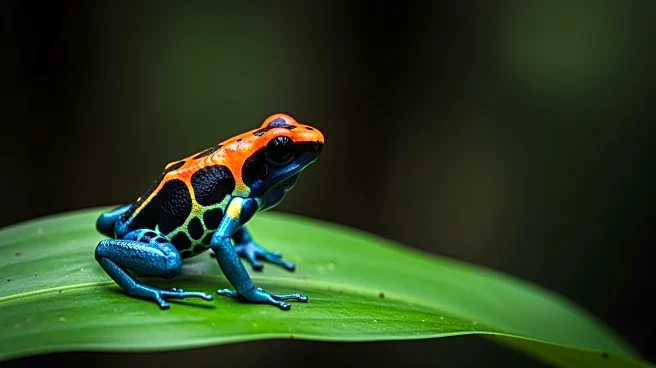
A joint report from the United Kingdom, Germany, France, Sweden, and The Netherlands has alleged that the death of Russian opposition leader Alexei Navalny in 2024 was linked to a toxin found in poison dart frogs. The toxin, epibatidine, is naturally
found in South American poison dart frogs and is not known to be present in Russia. The report claims that traces of this toxin were found in Navalny's body, suggesting he was poisoned. This revelation has sparked significant interest and concern among scientists and governments worldwide. The Russian government has denied these allegations, and no toxicology reports have been released to the public. The report has also been shared with the Organisation for the Prohibition of Chemical Weapons, raising questions about potential violations of international chemical weapons conventions.
Why It's Important?
The implications of this report are significant, as it suggests the use of a rare and potent toxin in a high-profile political assassination. If confirmed, this could indicate a new method of chemical warfare, raising alarms about the proliferation and use of exotic toxins in geopolitical conflicts. The findings could strain international relations, particularly with Russia, and prompt calls for stricter enforcement of chemical weapons treaties. Additionally, the scientific community is intrigued by the potential manmade synthesis of epibatidine, which was once considered for its analgesic properties. The narrow margin between a therapeutic and lethal dose of this toxin highlights the challenges and risks associated with its use.
What's Next?
The international community may push for further investigations into the circumstances surrounding Navalny's death and the potential use of chemical weapons. This could lead to increased diplomatic tensions and calls for accountability from the Russian government. Scientific research may also intensify to understand the synthesis and potential applications of epibatidine, both for medical purposes and its implications in chemical warfare. The Organisation for the Prohibition of Chemical Weapons might conduct its own inquiry, which could influence future policy and treaty enforcement.
Beyond the Headlines
The use of a toxin derived from a species native to South America in a Russian political context raises questions about global biodiversity and the ethical implications of bioprospecting. The potential for such toxins to be weaponized underscores the need for international cooperation in monitoring and regulating the use of biological and chemical agents. This case also highlights the complex interplay between science, politics, and ethics in addressing emerging threats in global security.