
What's Happening?
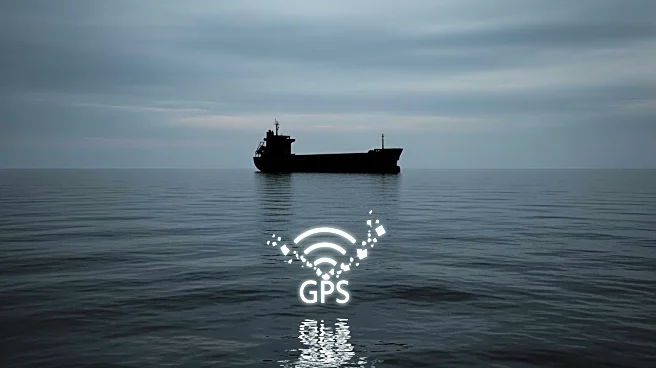
Fourteen coastal states in the North Sea and Baltic regions have issued a joint letter urging shadow fleet shipowners to adhere to international maritime laws. The letter highlights concerns over GNSS
interference, allegedly originating from Russian jamming stations in Kaliningrad, which poses risks to international shipping safety. The states call for the maritime community to ensure crew readiness for traditional navigation methods and advocate for an alternative radionavigation system. The letter also warns shadow fleet operators against using multiple flags, which violates international conventions and subjects vessels to verification boardings.
Why It's Important?
The joint letter reflects growing concerns over maritime safety and the geopolitical tensions in the Baltic region. GNSS interference can significantly impact global shipping operations, leading to potential accidents and disruptions. The call for compliance with international laws underscores the importance of maintaining order and safety in international waters. The situation also highlights the need for technological advancements in navigation systems to mitigate risks associated with GNSS vulnerabilities. The involvement of multiple European nations indicates a coordinated effort to address maritime security challenges and uphold international norms.
What's Next?
The letter may prompt increased scrutiny and enforcement actions against non-compliant shadow fleet operators. European nations could enhance collaboration on maritime security measures, including joint interdiction operations. The situation may also lead to discussions on developing and implementing alternative navigation systems to reduce reliance on GNSS. Additionally, the geopolitical implications of the interference could result in diplomatic engagements with Russia to address the issue. The maritime industry may need to adapt to new regulations and technologies to ensure compliance and safety.