






What's Happening?
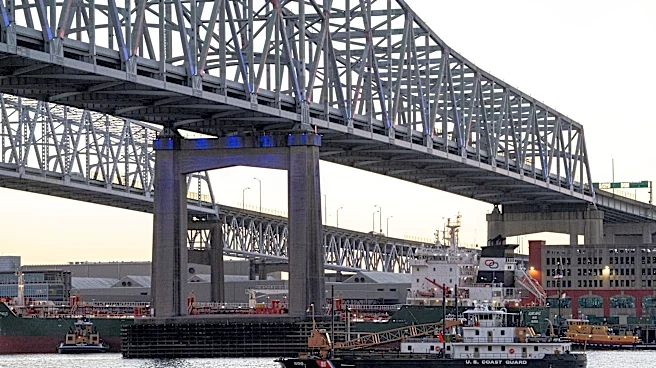
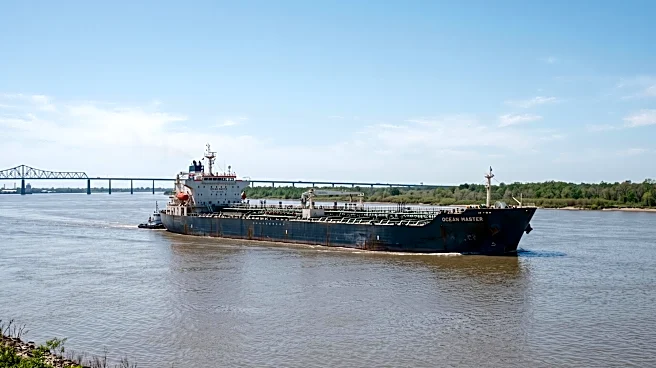
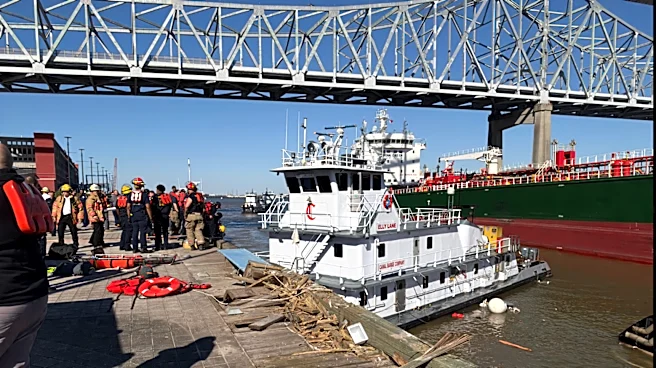
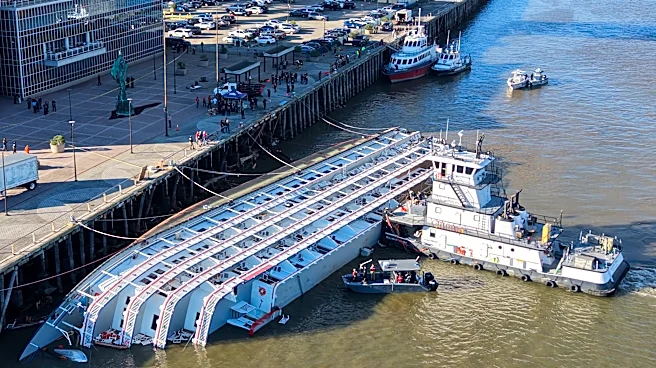
The National Transportation Safety Board (NTSB) is continuing its investigation into the Mississippi River boat crash that occurred in New Orleans on Friday, November 13. The incident involved the Atlantic Asphalt tanker striking the American Cruise Lines'
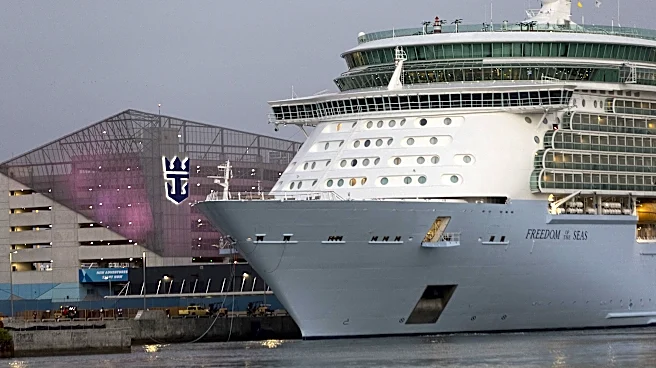
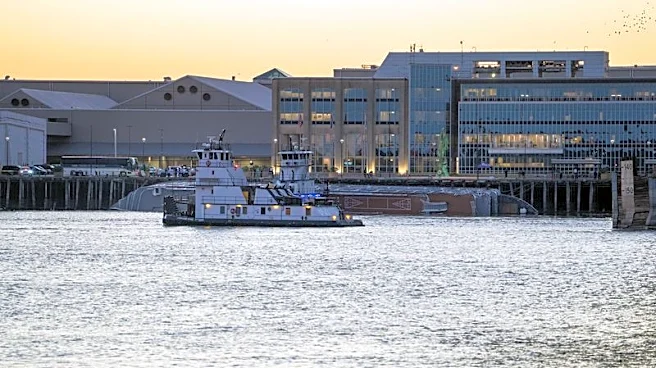
American Heritage, which was docked. The City of New Orleans has announced the conclusion of its on-site passenger and crew assistance operations, with the Family Assistance Center now demobilized. Individuals seeking further assistance are directed to contact American Cruise Lines. All passengers aboard the American Heritage have been accounted for, with only five remaining hospitalized; two are in serious condition, and three are stable. The NTSB's preliminary findings suggest a power steering issue on the Atlantic Asphalt tanker caused the collision. The Port of New Orleans has filed a federal lawsuit against the tanker, and while the Atlantic Asphalt has been towed away, the American Heritage could take weeks to remove. Crews are also working to remove over 16,000 gallons of diesel from the capsized cruise ship.
Why It's Important?
The ongoing investigation by the NTSB is crucial for determining the exact cause of the collision and for implementing measures to prevent similar incidents in the future. A power steering issue on a large tanker highlights potential vulnerabilities in maritime safety protocols and vessel maintenance. The lawsuit filed by the Port of New Orleans against the tanker underscores the significant financial and operational impact such incidents have on critical infrastructure and commerce. The prolonged effort to remove the capsized American Heritage and the need to extract diesel fuel point to the complex logistical and environmental challenges involved in maritime accidents. This event also brings attention to the resilience of emergency response systems, as all passengers were accounted for, but also highlights the need for continuous improvement in managing such crises on busy waterways like the Mississippi River, which is vital for U.S. trade and transportation.
What's Next?
The National Transportation Safety Board (NTSB) will continue its investigation into the collision, with a preliminary report expected within the next 30 days. The NTSB is examining the people and ships involved, as well as environmental factors, and has recovered the voyage data recorder. Salvage operations for the American Heritage are ongoing, overseen by the U.S. Coast Guard, with lightering operations expected to take several days and salvage plans under review. Containment booms remain deployed around the vessel as a precautionary measure against pollution. The federal lawsuit filed by the Port of New Orleans against the Atlantic Asphalt tanker will proceed, potentially leading to a lengthy legal battle over damages. River traffic restrictions remain in effect, with limited two-way vessel traffic and one-way transit for deep-draft vessels and large towing vessels, requiring coordination with Vessel Traffic Service Lower Mississippi River.
Beyond the Headlines
This incident on the Mississippi River, a critical economic artery, extends beyond the immediate accident to reveal deeper implications for maritime law, environmental protection, and port security. The Port of New Orleans' swift legal action, including obtaining an arrest warrant for the tanker, highlights the complexities of international maritime law and the mechanisms available to secure claims for damages. The ongoing effort to remove diesel fuel from the capsized vessel underscores the constant environmental threat posed by maritime accidents, even when initial pollution appears contained. This event will likely prompt a review of safety regulations for vessels operating in congested waterways, potentially leading to enhanced inspection protocols or technological upgrades for steering systems. Furthermore, the incident serves as a case study in multi-agency coordination during a crisis, involving local, state, and federal entities, and will undoubtedly contribute to refining future emergency response strategies for major U.S. ports.