







What's Happening?
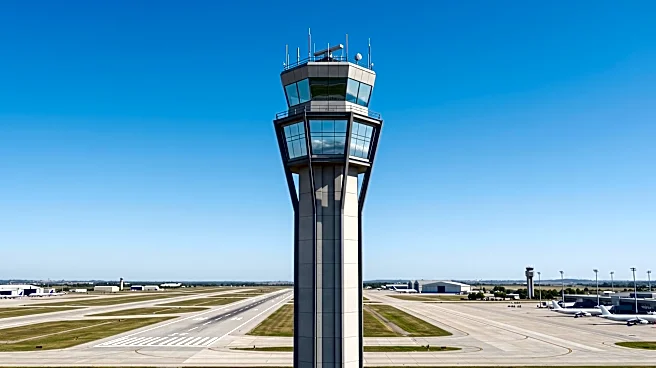
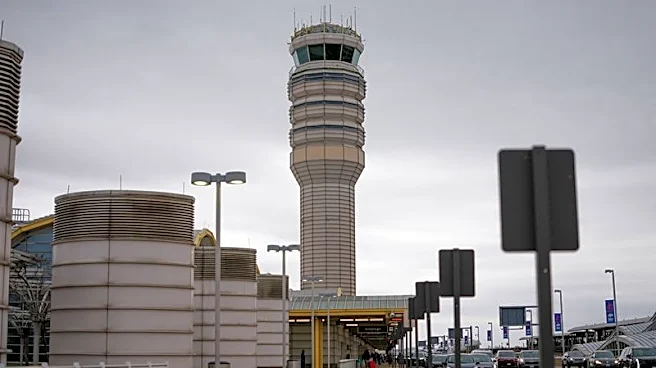
U.S. Senator John Fetterman (D-PA) recently visited the Erie International Airport’s Air Traffic Control Tower, where he met with representatives from the National Air Traffic Controllers Association (NATCA) and airport leaders. The discussions focused
on tower operations, staffing, training, controller pay, working conditions, and upcoming technology and infrastructure improvements. Senator Fetterman, a member of the Senate Commerce Committee’s Subcommittee on Aviation, Space, and Innovation, emphasized the critical nature of air traffic controllers' jobs and the need for investment in airspace resources and support. He also highlighted his involvement in passing key aviation safety legislation, including the ROTOR Act, and U.S. Senator Tammy Duckworth’s (D-IL) Aviation Medication Transparency Act, as well as U.S. Senator John Hoeven’s (R-ND) John A. Hauser Mental Health in Aviation Act.
Why It's Important?
Senator Fetterman's visit and his legislative efforts underscore the critical importance of aviation safety and the well-being of air traffic controllers for national infrastructure and public safety. Adequate staffing, fair pay, and access to mental health resources for controllers are essential to maintaining the efficiency and safety of U.S. airspace. The passage of acts like the Aviation Medication Transparency Act and the John A. Hauser Mental Health in Aviation Act directly addresses these concerns, aiming to improve Federal Aviation Administration (FAA) guidelines and support systems. These measures are vital for preventing errors, reducing stress among controllers, and ensuring the continued reliability of air travel, impacting millions of passengers and the broader economy that relies on air transportation.
What's Next?
The discussions initiated by Senator Fetterman's tour are expected to inform future legislative efforts and resource allocation for air traffic control. Continued advocacy from NATCA and senators like Fetterman will likely push for further investments in technology, infrastructure, and workforce development within the aviation sector. The implementation of the recently passed Aviation Medication Transparency Act and the John A. Hauser Mental Health in Aviation Act will be closely monitored to assess their effectiveness in improving controller welfare and aviation safety. These ongoing efforts aim to ensure that the U.S. air traffic control system remains robust, safe, and capable of meeting future demands.
Beyond the Headlines
The focus on air traffic controllers' working conditions and mental health highlights a broader recognition of the human element in critical infrastructure. The high-pressure nature of their jobs, with zero room for error, makes their mental and physical well-being paramount. This attention to controller support reflects a growing understanding that technological advancements alone are insufficient; human factors, including stress, fatigue, and access to healthcare, are equally crucial for operational safety. This shift in perspective could lead to more comprehensive approaches to workforce support in other high-stress, high-stakes professions, setting a precedent for prioritizing employee welfare as a component of national security and economic stability.