
What's Happening?
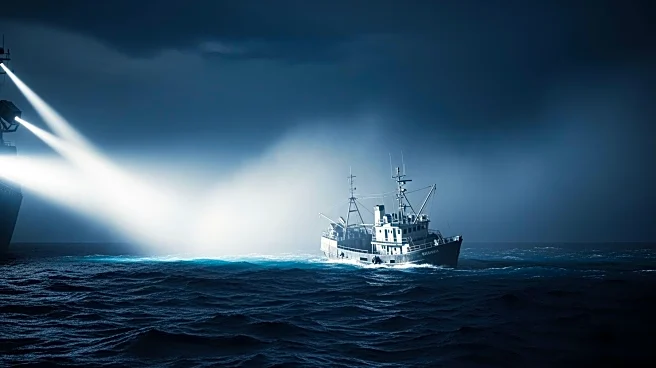
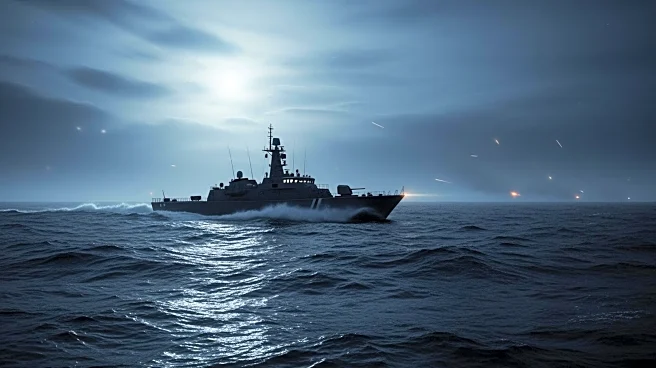
The U.S. military conducted a strike on a boat in the Caribbean Sea, which it accused of smuggling drugs, resulting in the deaths of four individuals. This action is part of a broader campaign by the Trump administration targeting alleged drug traffickers
in Latin America. Since the campaign began in early September, at least 163 people have been killed in similar strikes. The U.S. Southern Command stated that the operation targeted known smuggling routes, although no evidence was provided to confirm the presence of drugs on the vessel. A video shared on social media depicted the boat being engulfed in an explosion. President Trump has described the U.S. as being in 'armed conflict' with Latin American cartels, justifying these strikes as necessary to curb drug flow into the U.S. and address the issue of fatal overdoses.
Why It's Important?
The strike underscores the Trump administration's aggressive stance on combating drug trafficking in Latin America, which it views as a significant threat to U.S. public health and safety. The campaign aims to disrupt the operations of cartels that are believed to be responsible for the flow of drugs, particularly fentanyl, into the United States. However, the effectiveness and legality of these military actions have been questioned, especially since fentanyl is often trafficked overland from Mexico, where it is manufactured using chemicals from China and India. Critics argue that the strikes may not effectively address the root causes of drug trafficking and could have broader implications for U.S. foreign relations and military engagement in the region.
What's Next?
The continuation of these military operations in Latin America is likely, as the U.S. maintains its focus on drug trafficking routes. However, the administration may face increasing scrutiny and calls for transparency regarding the evidence supporting these strikes and their overall impact. Additionally, the U.S. military's simultaneous operations in the Middle East, particularly against Iran, could influence resource allocation and strategic priorities. The international community and human rights organizations may also weigh in on the legality and humanitarian implications of such military actions.