
What's Happening?
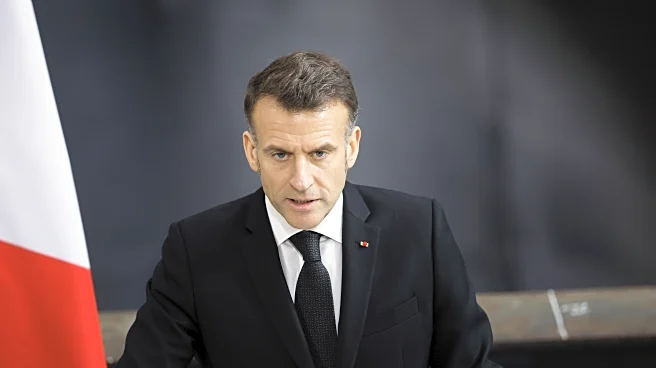
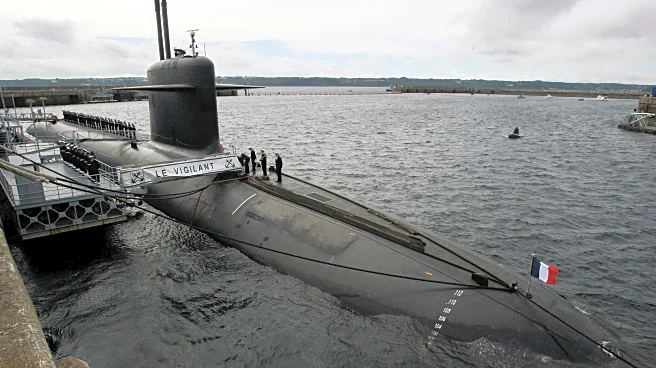
French President Emmanuel Macron has announced a new nuclear deterrence strategy aimed at aligning France more closely with European allies while maintaining full control over nuclear strike decisions. This move comes in response to growing security concerns
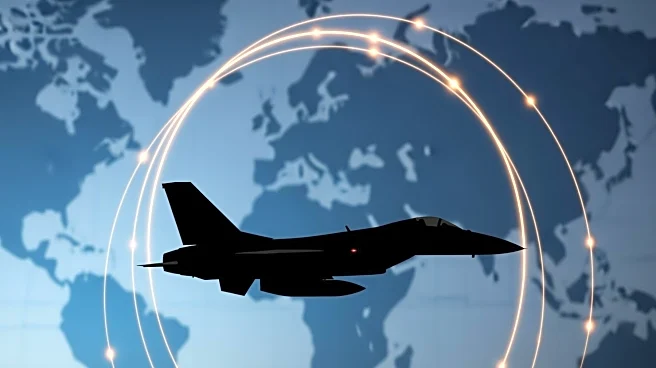
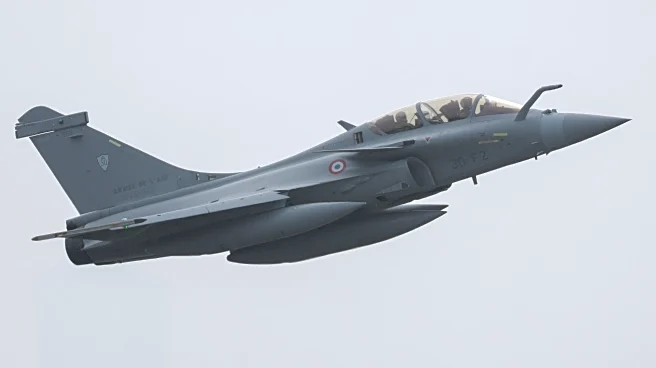
in Europe following Russia's invasion of Ukraine and the perceived shift in U.S. security priorities. Macron's strategy, termed 'forward deterrence,' involves nuclear talks with eight European nations, including Britain and Germany, and could lead to the temporary deployment of French nuclear-armed aircraft to allied countries. The strategy reflects a desire to bolster Europe's strategic autonomy while complementing NATO's existing nuclear mission.
Why It's Important?
Macron's strategy signifies a potential shift in European defense dynamics, emphasizing the need for Europe to take greater responsibility for its security amid uncertainties about U.S. commitments. By offering a nuclear security guarantee, France positions itself as a key player in European defense, potentially altering the balance of power within NATO. This move could reassure European allies of their security while also challenging the traditional U.S.-led security framework in Europe. The strategy underscores the importance of European unity in the face of external threats, particularly from Russia and China.
What's Next?
The implementation of Macron's strategy will likely involve complex negotiations with European allies to establish the terms of nuclear cooperation. France's decision to maintain sole control over nuclear decisions may require careful diplomatic balancing to ensure effective collaboration without undermining national sovereignty. The strategy's success will depend on the willingness of European nations to integrate their defense capabilities with France's nuclear deterrence framework. Additionally, the response from NATO and the U.S. will be crucial in determining the future of transatlantic security relations.