








What's Happening?
Saudi Arabia recently participated in an expert-level meeting of the OCHA Donor Support Group in Geneva, where it emphasized the critical need for strengthening humanitarian diplomacy and international coordination. During the meeting, Al-Ghamdi underscored
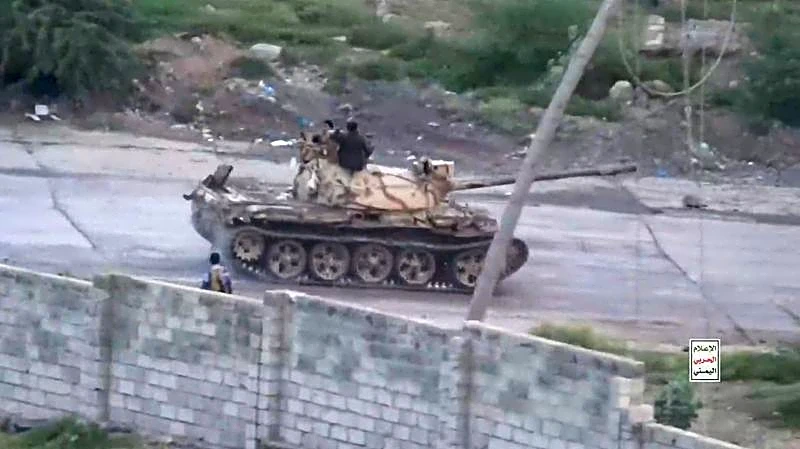
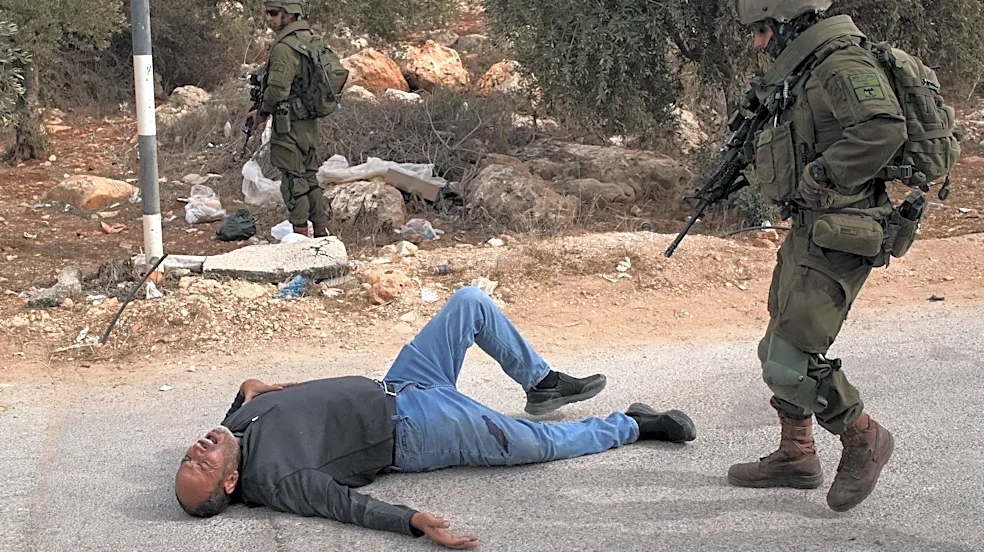
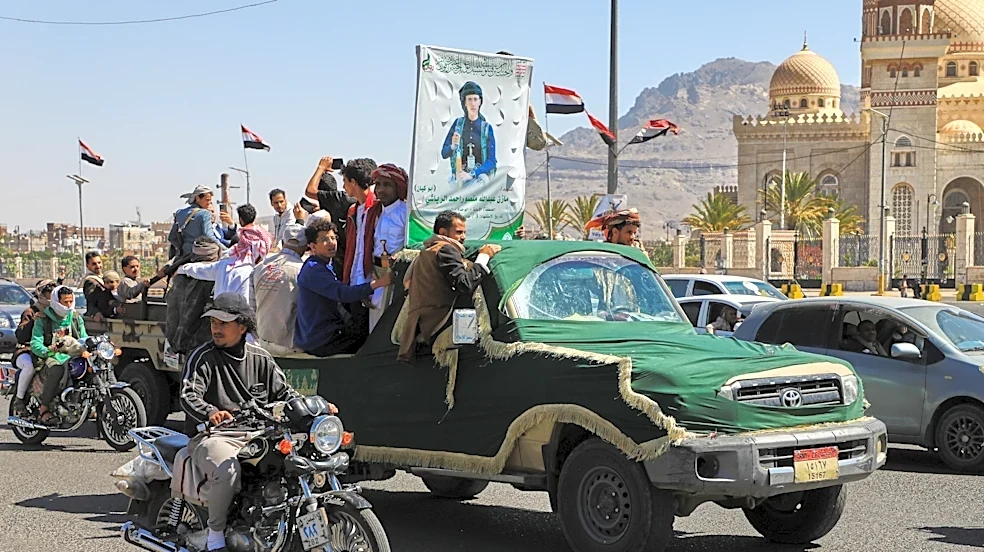
the importance of addressing obstacles that impede relief operations, specifically highlighting challenges in Sudan, the Gaza Strip, Yemen, and Syria. He also stressed the necessity of protecting civilians and humanitarian workers and fostering greater cooperation between international organizations and national and local humanitarian entities. The discussions at the meeting covered OCHA's future strategic directions, recent developments in international humanitarian access, and strategies to improve the efficiency of humanitarian responses amidst increasing global humanitarian challenges. Saudi Arabia also presented its vision for evolving the international humanitarian system, advocating for better coordination between humanitarian organizations and the UN, aligning strategic priorities with financial resources, and diversifying funding sources.
Why It's Important?
Saudi Arabia's active participation and advocacy at the OCHA Donor Support Group meeting are significant for several reasons. Its emphasis on strengthening humanitarian diplomacy and international coordination highlights a growing recognition among key global actors of the complex challenges in delivering aid effectively to conflict zones and areas affected by crises. By specifically naming Sudan, Gaza, Yemen, and Syria, Saudi Arabia draws attention to some of the world's most pressing humanitarian emergencies, underscoring the need for concerted global efforts. The call for protecting civilians and humanitarian workers is crucial, as these groups are often at severe risk in conflict environments. Furthermore, Saudi Arabia's vision for developing the international humanitarian system, including aligning priorities with financial resources and diversifying income sources, could contribute to more sustainable and efficient aid delivery mechanisms globally, potentially influencing how international humanitarian aid is structured and funded in the future.
What's Next?
Following Saudi Arabia's participation and proposals at the OCHA meeting, the focus will likely shift towards implementing the discussed strategies for enhanced humanitarian diplomacy and coordination. International organizations and donor countries may explore new avenues for collaboration, particularly in the regions highlighted as critical. There could be increased efforts to streamline coordination between various humanitarian actors and the UN, aiming for a more unified and effective response to global crises. Saudi Arabia's emphasis on diversifying income sources and leveraging innovative financing mechanisms, such as its Sahem Platform, might encourage other nations to explore similar approaches to ensure aid reaches the most vulnerable populations. Future OCHA meetings and related international forums will likely continue these discussions, with an emphasis on practical steps to overcome existing obstacles and improve the overall efficiency and reach of humanitarian aid operations worldwide.
Beyond the Headlines
Saudi Arabia's engagement in humanitarian diplomacy extends beyond immediate aid delivery, reflecting broader geopolitical and strategic interests. By actively participating in and shaping discussions on international humanitarian response, Saudi Arabia positions itself as a significant player in global humanitarian efforts, potentially enhancing its soft power and influence on the international stage. The emphasis on protecting humanitarian workers and civilians also aligns with international norms and principles, contributing to a more responsible global framework for conflict resolution and aid. Furthermore, the call for aligning strategic priorities with financial resources and diversifying funding sources points to a recognition of the need for long-term sustainability in humanitarian aid, moving beyond ad-hoc responses to more structured and resilient systems. This approach could foster greater accountability and transparency within the international humanitarian system, encouraging more efficient use of resources and better outcomes for affected populations.