
What's Happening?
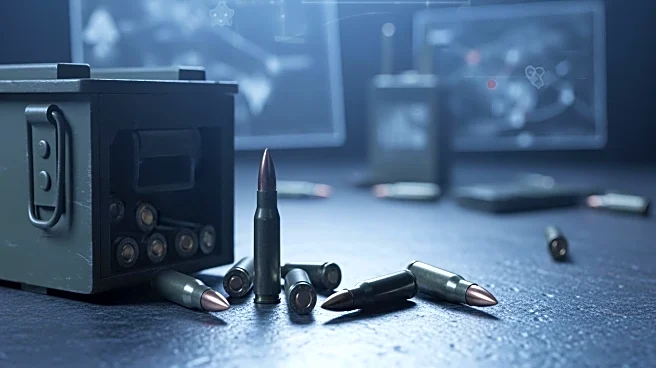
NATO is experiencing critical shortages in ammunition and essential military supplies, highlighting a strategic vulnerability in its defense capabilities. The alliance's focus on high-tech weaponry has
led to a neglect of basic production lines for mass artillery, resulting in depleted stockpiles. This situation has been exacerbated by ongoing conflicts in Eastern Europe, which have strained resources. The reliance on precision weapons, which are costly and limited in supply, contrasts with adversaries' strategies of mass production of cheaper, less sophisticated arms. This imbalance poses a significant challenge to NATO's ability to sustain prolonged military engagements.
Why It's Important?
The ammunition shortage underscores a broader issue within NATO's defense strategy, where the emphasis on technological superiority has come at the expense of maintaining adequate supplies of basic military necessities. This could impact NATO's readiness and effectiveness in responding to large-scale conflicts, particularly against near-peer adversaries. The situation also raises questions about the sustainability of current defense spending priorities and the need for a strategic shift towards more balanced military capabilities. The potential inability to meet defense commitments could weaken NATO's deterrence posture and embolden adversaries.
What's Next?
NATO may need to reassess its defense procurement strategies, potentially increasing investment in the production of basic military supplies to address the current shortages. This could involve expanding industrial capacity and securing long-term contracts for essential materials. Additionally, member states might need to collaborate more closely to ensure a coordinated response to supply chain challenges. The alliance will likely engage in discussions to realign its defense priorities, balancing high-tech innovations with the need for robust, sustainable stockpiles.