





What's Happening?
AAA forecasts that 81.5 million Americans will travel at least 50 miles from home during the seven-day Thanksgiving travel period, from November 24 to November 30. This represents a 0.1% decrease from last year, marking the first decline in Thanksgiving travel in three
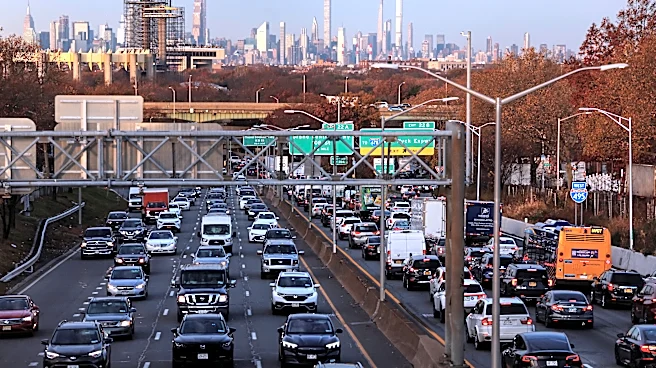
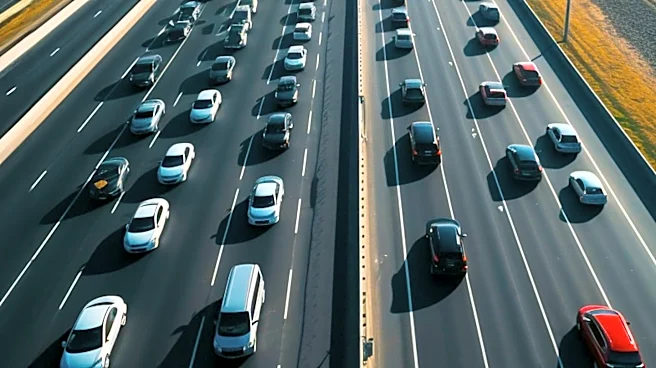
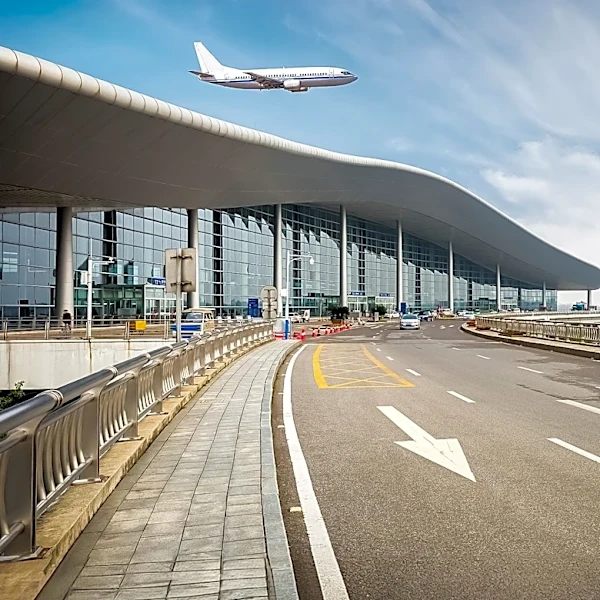
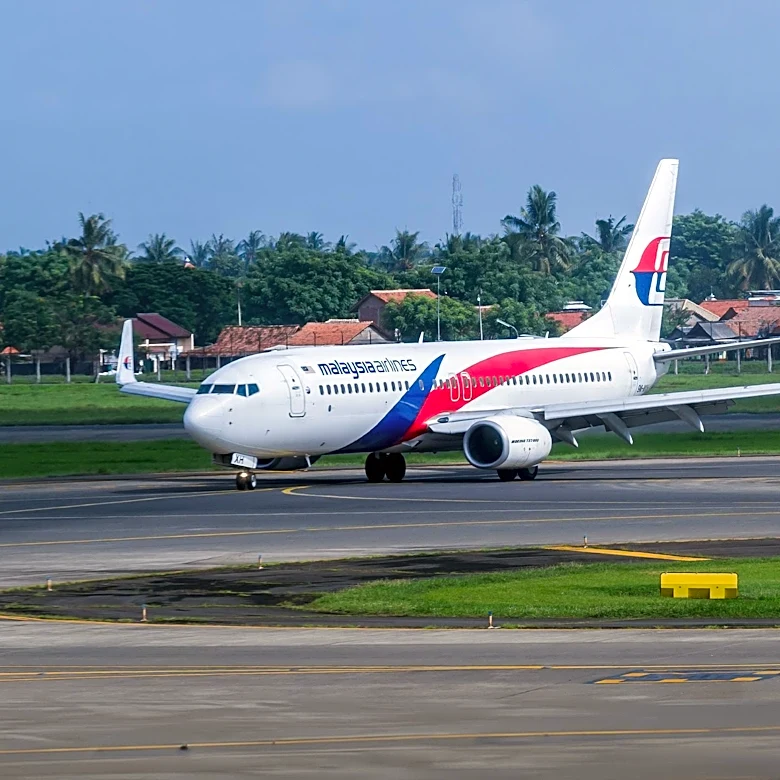
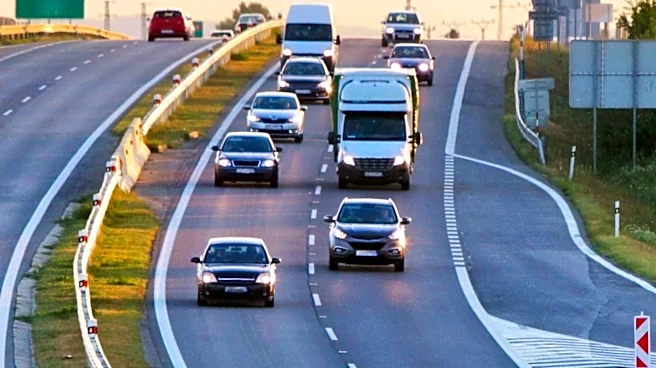
years. Despite this slight dip, overall travel volumes remain near historic highs. The majority of travelers, approximately 72.9 million Americans, are expected to travel by car, a marginal decrease from 73.1 million last year. Air travel is also projected to see a slight reduction of 0.2%, with 5.96 million Americans flying. Conversely, travel by other modes such as cruises, buses, and trains is expected to increase by 4.1%, reaching 2.6 million travelers. This leveling off in travel is attributed to affordability pressures, including higher gas prices and elevated costs across household and travel budgets, according to AAA and S&P Global Market Intelligence.
Why It's Important?
The slight decline in Thanksgiving travel, despite remaining near historic highs, signals a potential shift in consumer behavior influenced by economic factors. Higher gas prices and increased costs for flights and hotels are directly impacting travel decisions, suggesting that even a traditionally prioritized holiday like Thanksgiving is not immune to affordability pressures. This trend could affect various sectors of the U.S. economy, including the hospitality, airline, and automotive industries. While the decrease is minimal, it highlights the sensitivity of consumer spending to inflation and living costs. Businesses reliant on holiday travel may need to adapt strategies to attract budget-conscious consumers, potentially through promotions or alternative travel packages. The continued strong preference for road trips underscores the importance of vehicle maintenance and roadside assistance services, as AAA anticipates a high volume of emergency calls.
What's Next?
Travelers should anticipate crowded roads and airports, particularly on Tuesday and Wednesday before Thanksgiving, and Sunday and Monday for return trips. AAA advises planning ahead, leaving early, and allowing extra time to mitigate congestion. For those driving, checking vehicle maintenance, such as tires and batteries, is crucial, as AAA responded to over half a million roadside assistance calls last Thanksgiving. Air travelers can expect roundtrip domestic flights to average $800, a 17% increase from last year, and domestic hotel bookings averaging $615 per stay, up 5%. To manage costs, travelers are encouraged to consider alternate airports, travel during off-peak periods, and compare fuel prices. The continued growth in cruise travel suggests this mode may offer a more attractive option for some consumers seeking value.
Beyond the Headlines
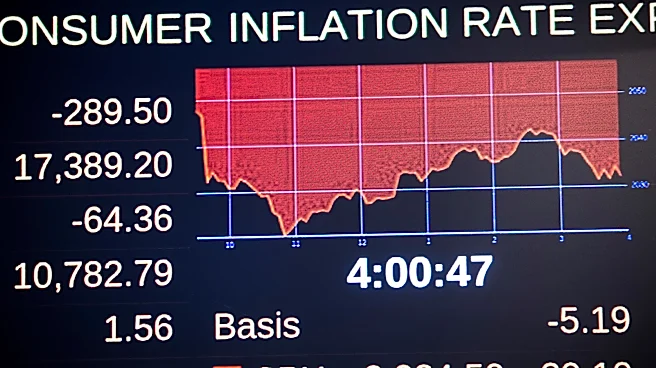
The observed leveling off in Thanksgiving travel, driven by affordability concerns, could indicate a broader trend of consumers re-evaluating discretionary spending in the face of persistent inflation. While the desire to travel for holidays remains strong, the financial strain may lead to shorter trips, more budget-conscious choices, or a shift towards less expensive modes of transportation. This could have long-term implications for the travel industry, potentially accelerating innovation in affordable travel options and flexible booking models. The data also underscores the ongoing challenge for policymakers to address inflation and its impact on household budgets, as even essential leisure activities like holiday travel are becoming more financially burdensome for many Americans. The resilience of travel demand, despite cost increases, also highlights the cultural significance of Thanksgiving gatherings.