



What's Happening?
The National Oceanic and Atmospheric Administration (NOAA) has officially upgraded the status of El Niño from a 'watch' to an 'advisory', indicating the onset of this weather phenomenon. This change is based on the observation of above-average sea surface
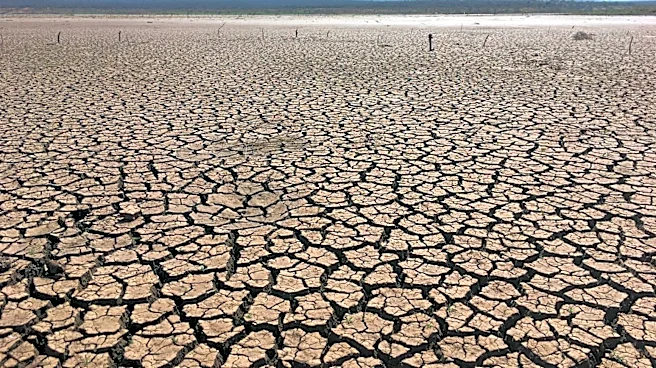
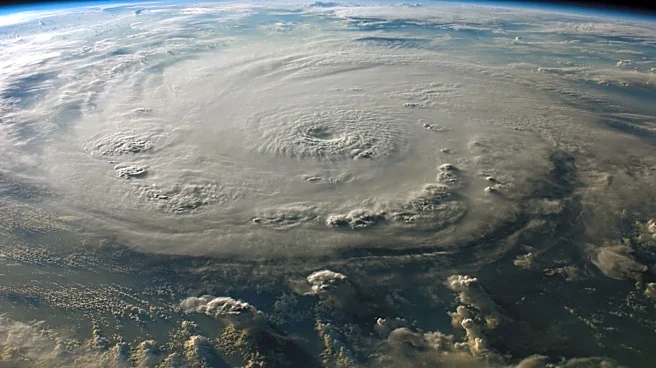
temperatures across the central to eastern equatorial Pacific Ocean over the past month. NOAA's latest update suggests a 63% chance that this El Niño could develop into one of the strongest events on record, potentially occurring between November and January. El Niño is known for causing extreme weather conditions, such as droughts and floods, although the impacts can vary globally. The advisory highlights the increased likelihood of significant weather changes due to the intensifying El Niño conditions.
Why It's Important?
The potential intensification of El Niño could have widespread implications for global weather patterns, affecting agriculture, water resources, and disaster preparedness. In the U.S., regions could experience altered precipitation patterns, impacting farming and water supply. Globally, stronger El Niño events are associated with increased risks of natural disasters, which can strain emergency services and affect economic stability. The advisory serves as a critical alert for governments and industries to prepare for possible disruptions. The increased probability of a very strong El Niño underscores the need for enhanced monitoring and adaptive strategies to mitigate its impacts.
What's Next?
As NOAA continues to monitor the development of El Niño, stakeholders across various sectors are likely to prepare for potential impacts. Governments may issue guidelines for disaster preparedness, while industries reliant on weather conditions, such as agriculture and energy, might adjust their operations. The scientific community will also focus on studying the interactions between El Niño and climate change to better predict future events. Public awareness campaigns could be launched to inform communities about safety measures and resource management during extreme weather conditions.