
What's Happening?
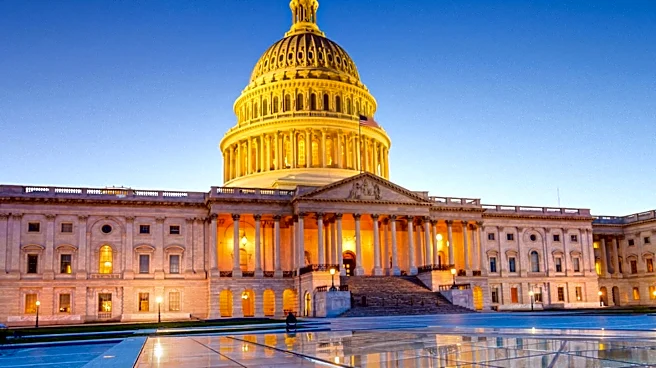
The U.S. House of Representatives has passed the bipartisan Load Forecasting Enhancement Act, co-sponsored by Republican Rep. Troy Balderson of Ohio and Democratic Rep. Rob Menendez of New Jersey. This
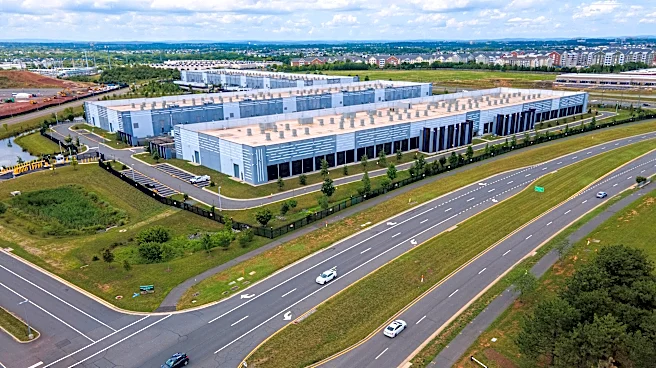
legislation, which passed under suspension of the rules by voice vote, aims to improve electric grid planning, particularly in response to the increasing demand for electricity from AI data centers and other power-intensive industries. The bill mandates the Federal Energy Regulatory Commission (FERC) to establish regional joint boards with state public utility commissions. These boards will be tasked with studying electric load forecasting, identifying best practices for improving reliability and affordability, and developing recommendations. The legislation also requires FERC to submit a report detailing these recommendations to Congress and encourages states to consider adopting them into their own forecasting practices. This measure was part of a broader package of 14 bills addressing various issues including energy reliability, public health, and drug enforcement.
Why It's Important?
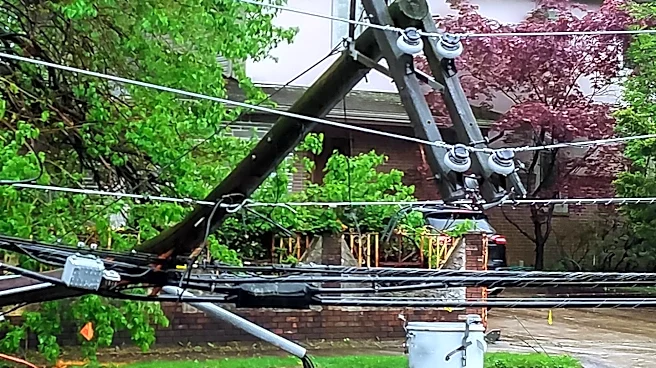
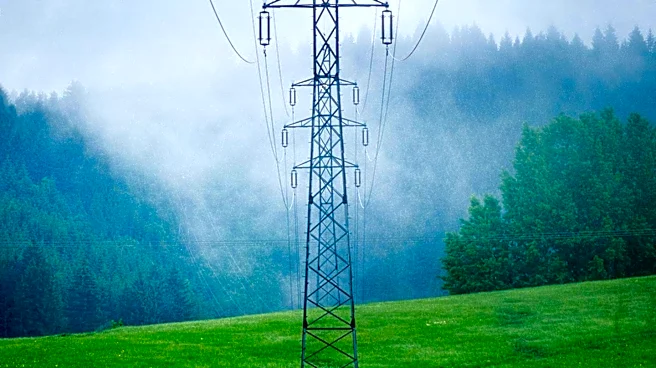
The passage of the Load Forecasting Enhancement Act is crucial for ensuring the stability and affordability of the U.S. electric grid. The rapid expansion of artificial intelligence infrastructure and other high-demand industries is placing unprecedented strain on existing power systems. Without accurate and transparent load forecasting, utilities risk either overbuilding infrastructure, leading to higher consumer costs, or underbuilding, resulting in energy shortfalls and potential blackouts. Industry warnings about possible energy shortfalls in parts of North America over the next five years underscore the urgency of this legislation. By fostering collaboration between federal and state regulators, the bill seeks to create a more resilient and efficient grid, which is vital for economic growth and national security. Improved forecasting can help prevent service disruptions, manage energy costs, and support the continued development of critical technologies like AI.
What's Next?
Following its passage in the House, the Load Forecasting Enhancement Act will now move to the Senate for consideration. If it passes the Senate, it will then be sent to the President for signature to become law. Should the bill be enacted, FERC will proceed with establishing the regional joint boards as mandated. These boards will then begin their work of studying electric load forecasting practices and developing recommendations. The subsequent report to Congress will likely inform future legislative efforts and regulatory changes aimed at strengthening the electric grid. State utility regulators will also be encouraged to integrate the recommendations into their planning processes, potentially leading to a more harmonized and effective approach to energy infrastructure development across the country. The focus will be on how quickly and effectively these recommendations can be implemented to address the growing energy demands.
Beyond the Headlines
This legislation highlights a growing national concern regarding the energy demands of emerging technologies, particularly artificial intelligence. The increasing power consumption of AI data centers presents a significant challenge to existing energy infrastructure and raises questions about the long-term sustainability of technological advancement. Beyond immediate grid reliability, this act touches upon broader implications for environmental policy, as increased energy demand could lead to greater reliance on various power sources, impacting emissions targets and renewable energy initiatives. It also underscores the need for proactive policy-making to anticipate and mitigate the societal and economic impacts of rapid technological change. The collaborative framework proposed by the bill could serve as a model for addressing other complex infrastructure challenges that require coordination between federal and state entities.