
What's Happening?
Operation Linebacker II was a significant U.S. military campaign during the Vietnam War, initiated after North Vietnamese negotiators walked out of peace talks in Paris on December 13, 1972. In response,
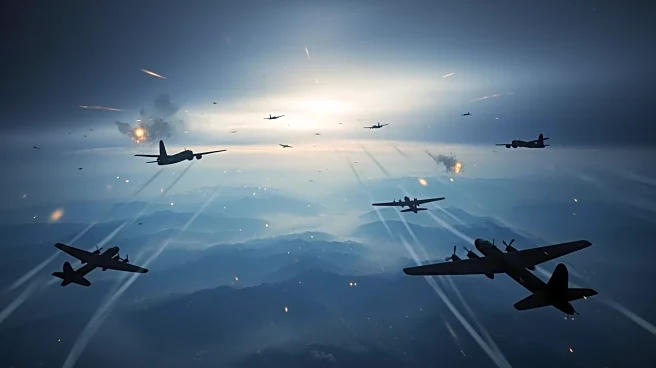
the United States launched a massive bombing campaign on December 18, targeting Hanoi and Haiphong with B-52 bombers. This operation, known as Linebacker II, was the most intensive bombing campaign in military history and aimed to coerce North Vietnam back to the negotiation table. The campaign lasted 11 days and resulted in North Vietnam requesting new negotiations, leading to the signing of the Paris Peace Accords on January 27, 1973. The accords established a ceasefire and outlined the withdrawal of U.S. troops, while North Vietnam agreed to release American prisoners of war.
Why It's Important?
Operation Linebacker II played a crucial role in ending American combat involvement in Vietnam, marking a significant turning point in the Vietnam War. The campaign demonstrated the U.S.'s willingness to use overwhelming force to achieve diplomatic objectives, albeit at a high cost. The operation faced international condemnation due to the extensive civilian casualties and destruction it caused. Despite achieving its immediate goal of bringing North Vietnam back to the negotiating table, the accords were violated by both sides shortly after being signed. The operation highlighted the limitations of military power in achieving lasting peace and underscored the complexities of the Vietnam conflict, which continued to affect U.S. foreign policy and military strategy.
What's Next?
Following the signing of the Paris Peace Accords, the U.S. withdrew its combat troops from Vietnam, but the agreement failed to bring lasting peace. Both North and South Vietnam violated the ceasefire, and full-scale war resumed within weeks. The U.S. had promised to respond with airpower if North Vietnam violated the agreement, but political constraints, including the Watergate scandal, prevented further military action. This left South Vietnam vulnerable, leading to its eventual fall to North Vietnamese forces in 1975. The legacy of Operation Linebacker II and the Vietnam War continues to influence U.S. military and diplomatic strategies, particularly regarding the use of force in international conflicts.
Beyond the Headlines
Operation Linebacker II remains a controversial chapter in U.S. military history. Critics argue that the bombing campaign was unnecessary and could have been avoided through continued negotiations, while supporters claim it was essential to bring North Vietnam back to the table. The operation's impact on civilian populations and its ethical implications continue to be debated. The campaign also highlighted the challenges of achieving political objectives through military means and the importance of diplomatic solutions in conflict resolution. The Vietnam War's legacy, including the lessons learned from Operation Linebacker II, continues to shape U.S. foreign policy and military doctrine.