






What's Happening?
The offices of Wisconsin's two U.S. senators, Republican Ron Johnson and Democrat Tammy Baldwin, along with Congressman Mark Pocan's Madison office, have confirmed receiving suspicious mail containing unknown substances. Both Senator Johnson and Senator Baldwin issued
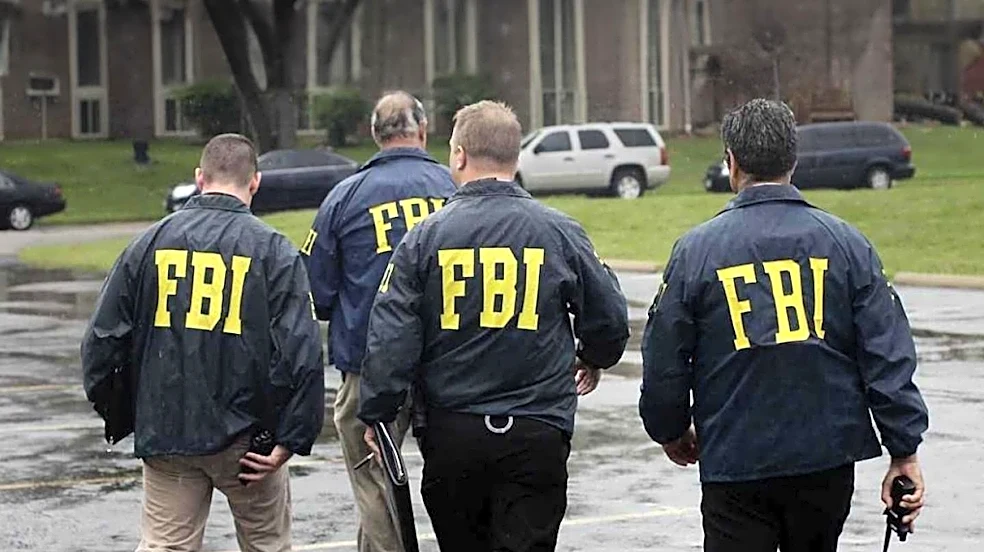
statements indicating that their staff encountered these letters at their Milwaukee offices. This incident aligns with a broader nationwide pattern of suspicious mail targeting political and election offices across the country. Fortunately, no injuries have been reported in any of the three affected offices. The suspicious letters have been handed over to federal law enforcement agencies for thorough analysis and investigation. The FBI and the U.S. Postal Inspection Service are jointly leading the investigation to determine the origin and nature of these mailings.
Why It's Important?
This incident is important as it highlights a concerning trend of targeting elected officials and political institutions with suspicious mail, which can disrupt governmental operations and create an atmosphere of fear. Such actions can have a chilling effect on public service and democratic processes, potentially deterring individuals from engaging in political discourse or seeking public office. The involvement of federal law enforcement, specifically the FBI and the U.S. Postal Inspection Service, underscores the seriousness of these threats and the potential implications for national security and public safety. The targeting of multiple offices across different political affiliations suggests a broader, potentially coordinated effort, which could impact the security protocols for government buildings and mail handling procedures nationwide. This situation also raises questions about the vulnerability of public servants to such threats and the resources required to mitigate them.
What's Next?
Federal law enforcement agencies, including the FBI and the U.S. Postal Inspection Service, will continue their joint investigation to analyze the unknown substances and identify the source of these suspicious mailings. This will likely involve forensic analysis of the letters and their contents, as well as tracing their origins through postal records and other investigative techniques. The findings of this investigation could lead to arrests and prosecutions if the perpetrators are identified. In the interim, security protocols for handling mail at congressional and senatorial offices, as well as other political and election-related institutions, may be reviewed and potentially enhanced to prevent future incidents. Public officials and their staff will likely be advised to remain vigilant and follow established procedures for handling suspicious packages. The broader implications could include increased funding for security measures and intelligence gathering related to domestic threats against government entities.
Beyond the Headlines
Beyond the immediate security concerns, this wave of suspicious mailings could have deeper implications for the political climate in the U.S. It reflects a growing polarization and potentially an escalation of tactics used to intimidate or disrupt political figures and processes. Such acts, even if they prove to be hoaxes, contribute to a climate of distrust and anxiety, which can erode public confidence in democratic institutions. The psychological impact on staff and elected officials, who are on the front lines of these threats, should not be underestimated. Furthermore, these incidents could prompt a re-evaluation of free speech boundaries versus acts of intimidation, and how society balances the right to protest with the need to ensure the safety and functionality of government. The long-term effect could be a more fortified, and potentially less accessible, political landscape, altering the nature of interaction between constituents and their representatives.