



What's Happening?
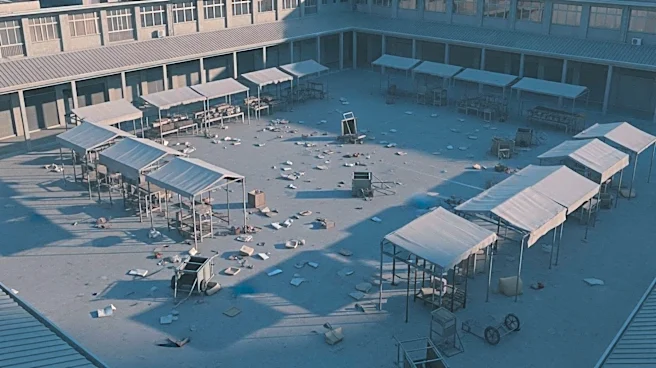
A Nigerian Air Force airstrike mistakenly targeted a local market in Jilli village, Yobe state, resulting in the deaths of at least 100 people, according to Amnesty International. The strike was intended to target Boko Haram fighters but instead hit civilians
attending the market. The incident occurred near the border with Borno state, an area heavily affected by insurgency. The Nigerian military confirmed the strike on a 'terrorist enclave and logistics hub' but did not acknowledge civilian casualties. Amnesty International condemned the attack, calling for an immediate and impartial investigation into the incident. The Yobe State Emergency Management Agency has activated an emergency response, and injured individuals are receiving treatment at local hospitals.
Why It's Important?
This incident highlights ongoing challenges in Nigeria's fight against insurgency, particularly the risks of civilian casualties during military operations. The airstrike underscores the need for improved intelligence and coordination between military units to prevent such tragic mistakes. The event may strain relations between the Nigerian government and local communities, potentially undermining public trust in military operations. It also raises questions about the accountability and oversight of military actions, as international organizations call for investigations and justice for the victims. The broader impact includes potential shifts in military strategy and policy to address these issues and prevent future occurrences.
What's Next?
The Nigerian government faces pressure to conduct a thorough investigation into the airstrike and hold those responsible accountable. This may involve reviewing military protocols and improving intelligence gathering to prevent similar incidents. The government may also need to engage with affected communities to rebuild trust and ensure transparency in military operations. International human rights organizations are likely to continue monitoring the situation, advocating for justice and policy changes. The incident could lead to increased scrutiny of Nigeria's military tactics and influence future decisions on how to address insurgency while minimizing civilian harm.
Beyond the Headlines
The airstrike raises ethical concerns about the use of military force in civilian areas and the balance between national security and human rights. It highlights the complexities of conducting military operations in regions with significant civilian populations and the potential for unintended consequences. The event may prompt discussions on the legal frameworks governing military actions and the need for reforms to ensure compliance with international standards. Additionally, it could influence public opinion on military strategies and the role of international organizations in advocating for human rights and accountability.