




What's Happening?
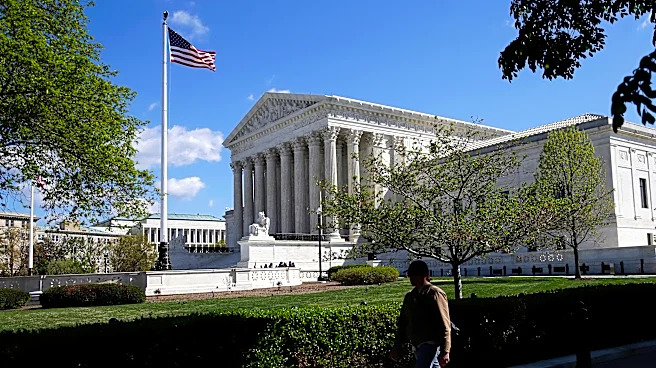
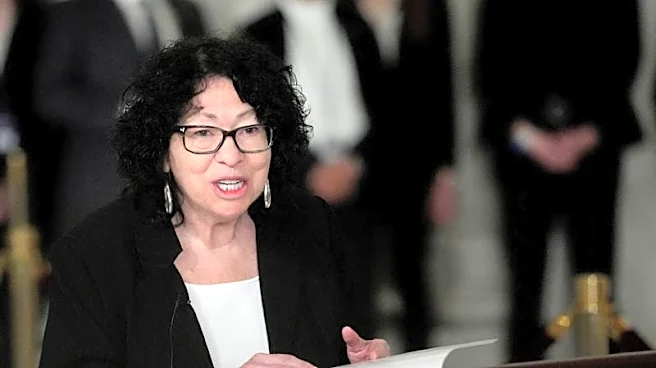
The U.S. Supreme Court has ruled in favor of Chevron in a case concerning coastal damage in Louisiana. The decision, delivered by conservative Justice Clarence Thomas, was supported by liberal Justices Elena Kagan and Sonia Sotomayor. The case involves
Chevron's oil production during World War II, which was conducted under federal direction. The court's ruling allows Chevron to keep the dispute in federal court, citing the federal officer removal statute. Justice Ketanji Brown Jackson agreed with the outcome but expressed caution about the broad interpretation of the statute. The case originated from lawsuits filed by Louisiana parishes against oil and gas companies, challenging their operations under the 1978 State and Local Coastal Resources Management Act.
Why It's Important?
This ruling is significant as it sets a precedent for how historical oil and gas activities conducted under federal direction are litigated. By allowing Chevron to move the case to federal court, the Supreme Court has potentially reshaped the legal landscape for similar environmental lawsuits. The decision could impact the liability of oil and gas companies for land loss in Louisiana, which has been a contentious issue. The ruling also highlights the ongoing debate over the responsibility of these companies for environmental damage caused before modern regulations were established. This case could influence future litigation involving historical activities and federal oversight.
What's Next?
The case will return to the Fifth Circuit for further examination under the Supreme Court's guidance. This could determine whether the lawsuit and related claims for cleanup damages can proceed in federal court. The outcome may affect similar cases involving historical oil and gas activities conducted under federal direction. Stakeholders, including environmental groups and the oil industry, will be closely monitoring the developments. The decision may also prompt legislative or regulatory changes to address the legal complexities of historical environmental damage.
Beyond the Headlines
The ruling raises questions about the balance between federal authority and state environmental regulations. It underscores the challenges in holding companies accountable for historical actions that were legal at the time but have since been linked to environmental degradation. The case also highlights the broader issue of coastal erosion in Louisiana, which has significant implications for local communities and ecosystems. As the legal battle continues, it may prompt discussions on how to address historical environmental damage while considering the economic contributions of the oil and gas industry.