
What's Happening?
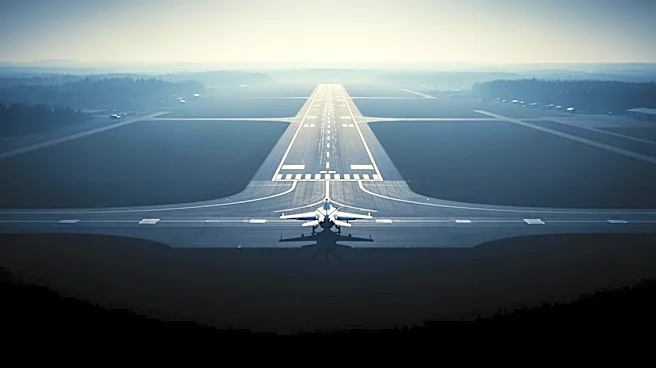
Pakistan, while acting as a mediator between Tehran and Washington, has reportedly allowed Iranian military aircraft to park on its airfields, according to U.S. officials. This move potentially shields
these aircraft from American airstrikes amidst ongoing tensions. The aircraft were stationed at Pakistan Air Force Base Nur Khan, a strategic military installation near Rawalpindi. This development comes after President Trump announced a ceasefire with Iran, which has been fragile with continued small-scale clashes around the Strait of Hormuz. Pakistan's actions reflect its complex diplomatic balancing act, as it maintains close ties with both China and Iran. China has publicly supported Pakistan's mediation efforts, highlighting the intricate geopolitical dynamics at play.
Why It's Important?
The situation underscores the delicate balance Pakistan is attempting to maintain in its foreign relations, particularly with major powers like the U.S., China, and Iran. By allowing Iranian military aircraft on its soil, Pakistan risks straining its relationship with the U.S., which could have implications for its diplomatic and military engagements. This move also highlights the growing influence of China in the region, as Pakistan's military and economic ties with China have strengthened significantly. The geopolitical implications are significant, as they could affect regional stability and the broader strategic interests of the U.S. in the Middle East and South Asia.
What's Next?
The continuation of small-scale clashes and the fragile ceasefire suggest that tensions between the U.S. and Iran remain high. Pakistan's role as a mediator may come under increased scrutiny, potentially affecting its diplomatic standing. The U.S. may seek to address these developments in upcoming diplomatic engagements, particularly with China, as President Trump is scheduled to visit Beijing for talks. The outcome of these discussions could influence future U.S. foreign policy decisions in the region.