


What's Happening?
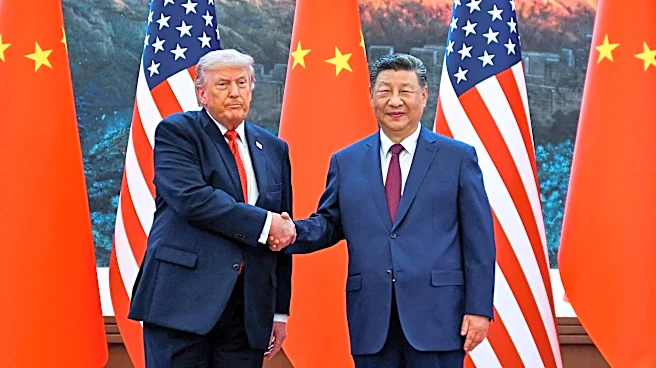
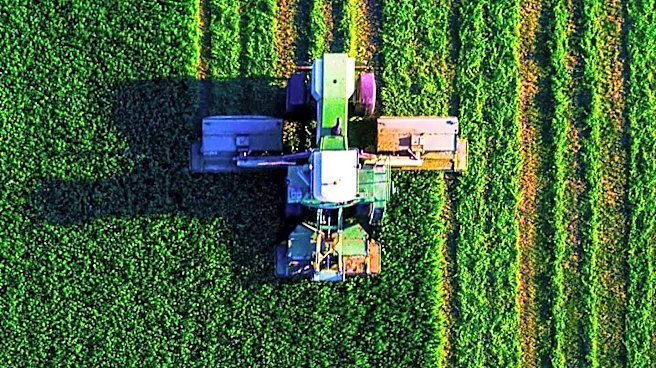
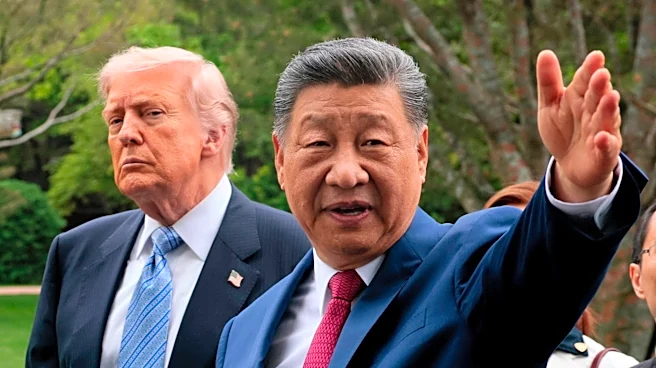
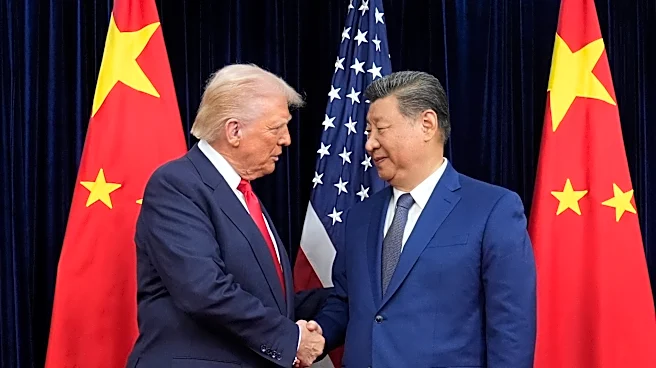
Senator Pete Ricketts of Nebraska has called on President Trump to press Chinese President Xi Jinping for reliable access to China's soybean and beef markets. Ahead of an upcoming meeting between the two leaders, Senator Ricketts wrote to US Trade Representative
Jamieson Greer, advocating for greater access for U.S. farm products and urging Beijing to fulfill existing purchase commitments. Representative Zach Nunn of Iowa echoed this sentiment, emphasizing the need for enforceable trade agreements that deliver tangible results for American farmers and workers. Both lawmakers highlighted the ongoing uncertainty faced by American producers due to China's past trade practices. A key concern is China's commitment from October 2025 to purchase at least 25 million metric tons of U.S. soybeans annually through 2028, which Senator Ricketts wants the administration to monitor closely. He also pointed to China's failure to meet obligations under the earlier Phase One trade agreement. Regarding beef, Senator Ricketts noted that while a May 2026 agreement helped restore access for some U.S. processing facilities, many remain suspended.
Why It's Important?
This push by Senator Ricketts and Representative Nunn is crucial for the economic stability of U.S. agricultural sectors, particularly for soybean and beef producers. Unreliable access to the Chinese market, a major consumer of these commodities, creates significant financial uncertainty for American farmers. Enforceable trade agreements are vital to ensure that U.S. producers can plan and invest with confidence, rather than facing fluctuating demand and unfair trading practices. The failure of China to meet previous commitments, such as those under the Phase One trade agreement and the 2025 soybean purchase agreement, undermines trust and impacts the profitability of American agriculture. Securing reliable market access and ensuring compliance with trade deals would provide a much-needed boost to the U.S. agricultural economy, protecting jobs and livelihoods in states like Nebraska and Iowa. Conversely, continued uncertainty could lead to economic hardship for farmers and potentially impact the broader U.S. trade balance.
What's Next?
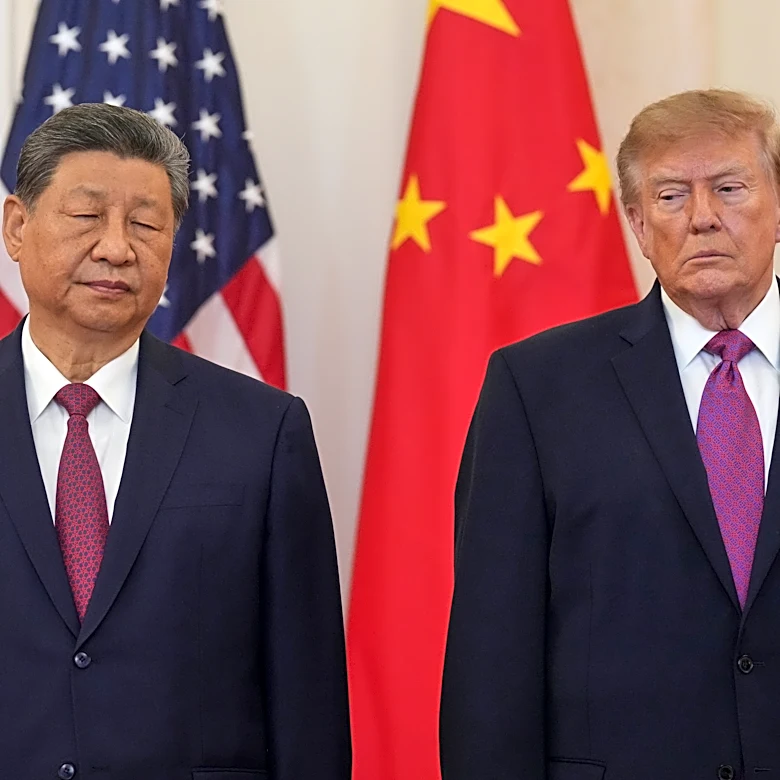
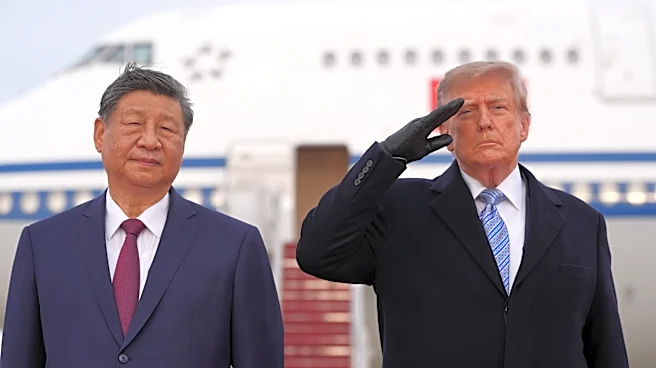
The immediate next step involves President Trump's upcoming meeting with Chinese President Xi Jinping. Senator Ricketts and Representative Nunn are urging President Trump to leverage this opportunity to demand concrete results regarding market access for U.S. soybeans and beef. Following the meeting, the U.S. Trade Representative's office will likely be tasked with monitoring China's adherence to any new or reaffirmed commitments. This will involve tracking purchase volumes for soybeans and assessing the status of U.S. beef processing facility licenses. The lawmakers' calls for enforceable trade deals suggest that future agreements will face increased scrutiny to ensure they deliver tangible benefits rather than just promises. The administration's response to these concerns will be closely watched by agricultural communities and trade organizations, as it will indicate the priority placed on protecting American farm interests in ongoing trade negotiations with China.
Beyond the Headlines
The concerns raised by Senator Ricketts and Representative Nunn extend beyond immediate trade figures, touching upon the broader geopolitical and economic relationship between the U.S. and China. The issue of unreliable trade practices highlights the challenges of conducting business with a state-controlled economy and the need for robust enforcement mechanisms in international trade agreements. This situation also underscores the vulnerability of specific U.S. industries, like agriculture, to geopolitical tensions and trade disputes. The long-term implications could include a re-evaluation of U.S. trade strategies with China, potentially leading to diversification of agricultural export markets or the implementation of stronger retaliatory measures for non-compliance. Furthermore, the emphasis on 'enforceable results' reflects a growing sentiment among U.S. lawmakers that past trade agreements have not adequately protected American interests, signaling a potential shift towards more stringent and outcome-oriented trade policies in the future.