







What's Happening?
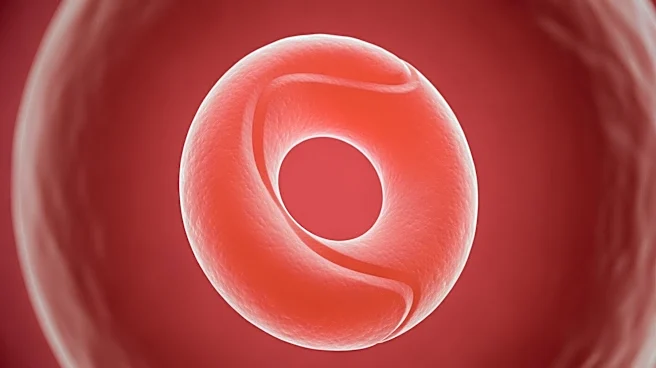
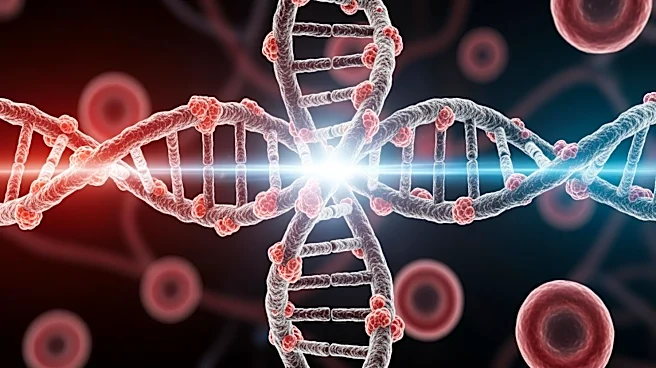
Researchers at St. Jude Children's Research Hospital have discovered that blood stem cells in patients with aplastic anemia (AA) acquire gene mutations that allow them to evade immune attacks. The study, involving 619 patients, found that these mutations occur
independently in different stem cells, enabling them to repopulate the bone marrow and restore blood production. This discovery provides insights into the mechanisms of immune evasion and potential long-term remission in AA patients.
Why It's Important?
The findings offer a new understanding of how blood stem cells can survive immune attacks in aplastic anemia, a life-threatening condition. This knowledge could lead to the development of targeted therapies that enhance the body's natural ability to overcome autoimmune challenges. The research also highlights the potential for using genetic insights to improve treatment strategies and patient outcomes in bone marrow failure syndromes.
What's Next?
Future research will likely focus on further characterizing the genetic mutations that enable immune evasion and exploring their therapeutic potential. Clinical trials may be conducted to test new treatments based on these findings. The study also opens avenues for investigating similar mechanisms in other autoimmune and hematological disorders.
Beyond the Headlines
The study raises questions about the ethical implications of genetic manipulation in treating autoimmune diseases and the potential for personalized medicine approaches. It also highlights the resilience of the human body in adapting to disease challenges and the importance of continued research in understanding complex biological processes.