







What's Happening?
Seattle Mayor Katie Wilson addressed her declining approval ratings during a press conference held after inaugurating a new bus lane on Denny Way. A recent poll, commissioned by the Seattle Metropolitan Chamber of Commerce, indicates that only an estimated
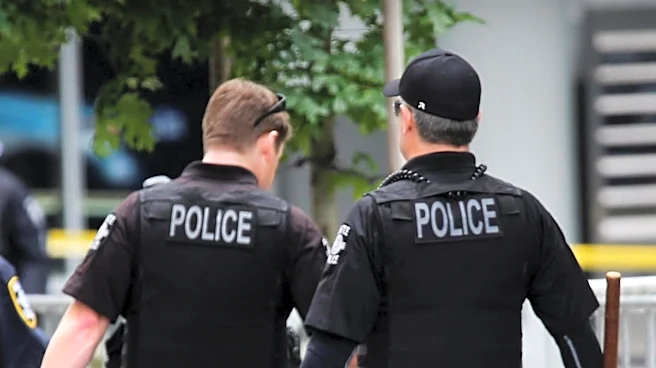
37% of Seattle voters approve of her performance, marking a 20% drop since April. Mayor Wilson attributed the dip in her poll numbers primarily to public safety concerns within the city. This comes after a homicide-free June was followed by three fatal shootings at the Bite of Seattle in July, an event that led to Mayor Wilson requesting and receiving the resignation of SPD Chief Shon Barnes. The timing of Chief Barnes' resignation, amidst a major homicide investigation, drew criticism from several city council members.
Why It's Important?
The significant decline in Mayor Wilson's approval ratings underscores the critical importance of public safety as a political issue in U.S. cities. The poll results, particularly the finding that only 34% of surveyed residents believe she has a plan for public safety, highlight a disconnect between the administration's actions and public perception. This situation can impact the Mayor's ability to govern effectively, push through policy initiatives, and secure public cooperation on various urban development projects. The controversy surrounding the police chief's resignation further complicates the city's efforts to address crime and maintain law and order, potentially affecting police morale and the continuity of investigations. For Seattle residents, the perceived lack of a clear public safety strategy can lead to increased anxiety and a demand for more decisive action from their elected officials.
What's Next?
Mayor Wilson is facing pressure to articulate a more robust and convincing plan to address public safety concerns in Seattle. The poll results, which indicate strong public support for more visible police patrols, meeting 9-1-1 response standards, and expanding the CCTV public safety camera program, provide clear directives for potential policy adjustments. Her decision to await an audit on the CCTV program before making a decision suggests a cautious approach, but the urgency of public sentiment may necessitate quicker action. The city council's criticism of the police chief's resignation also indicates potential political challenges for the Mayor, requiring her to navigate complex relationships with other city leaders while attempting to restore public confidence. Future policy announcements and their implementation will be closely watched by both the public and political stakeholders.
Beyond the Headlines
The situation in Seattle reflects a broader national trend where urban mayors are increasingly judged on their ability to manage public safety and crime rates. Beyond the immediate political implications for Mayor Wilson, the declining trust in leadership regarding safety can have long-term effects on urban development, economic investment, and community cohesion. A city perceived as unsafe may struggle to attract businesses and residents, impacting its economic vitality and social fabric. The debate over police leadership and the effectiveness of various crime-fighting strategies, such as CCTV expansion, also touches upon fundamental questions of civil liberties, surveillance, and the role of law enforcement in a democratic society. The challenge for Seattle, and many other U.S. cities, is to find a balance between effective crime reduction and maintaining community trust and civil rights.