


What's Happening?
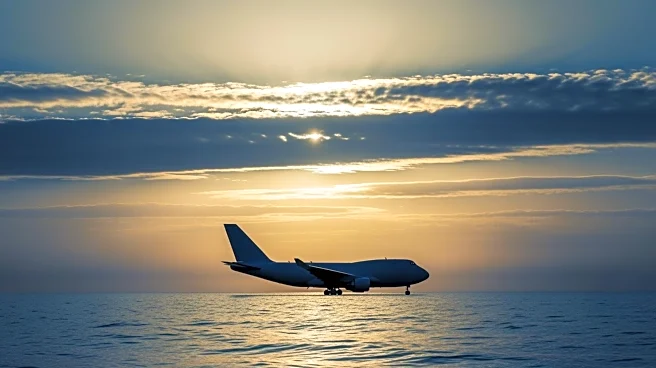
The Venezuelan government has announced that the United States has unilaterally suspended deportation flights of Venezuelan nationals. According to Venezuela's national aviation authority, the suspension includes at least one flight that was scheduled
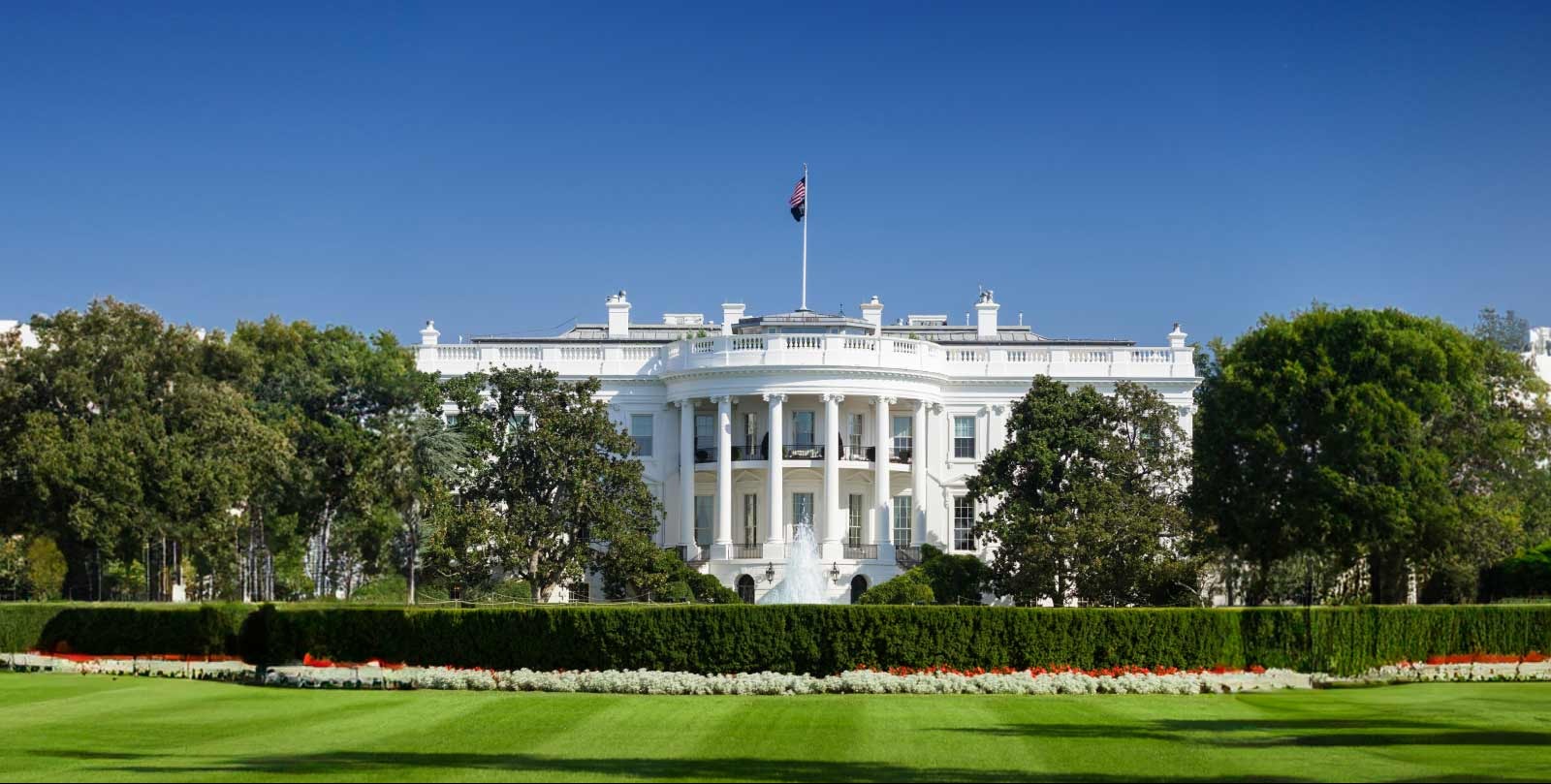
to land on December 12. The Venezuelan government expressed its willingness to continue receiving its citizens despite the alleged suspension, emphasizing that the deportation process had been a coordinated effort to alleviate the situation of Venezuelan nationals detained in the U.S. However, a U.S. administration official has denied these claims, stating that deportation flights to Venezuela will continue as planned. This conflicting information highlights a diplomatic tension between the two countries regarding the handling of Venezuelan migrants.
Why It's Important?
This development is significant as it underscores the ongoing complexities in U.S.-Venezuela relations, particularly concerning immigration and deportation policies. The alleged suspension of deportation flights could impact the lives of many Venezuelan nationals currently in the U.S., potentially affecting their legal status and future. For the U.S., maintaining deportation flights is part of its broader immigration enforcement strategy. The denial by U.S. officials suggests a commitment to continue these operations, which could influence domestic immigration policy debates and international diplomatic relations. The situation also reflects the broader challenges faced by countries dealing with large numbers of migrants and the diplomatic negotiations required to manage such issues.
What's Next?
If the U.S. continues with deportation flights as stated, it may lead to further diplomatic discussions or disputes with Venezuela. The Venezuelan government's response to the U.S. denial could shape future interactions between the two nations. Additionally, advocacy groups and international organizations may become involved, either supporting the Venezuelan government's claims or backing the U.S. stance. The situation could also prompt discussions within the U.S. about the treatment and rights of Venezuelan migrants, potentially influencing future immigration policies.