







What's Happening?
New York City's Department of Environmental Protection (DEP) has partnered with the New York-New Jersey Trail Conference to deploy a team of conservation dogs to protect the city's drinking water supply. These specialized dogs are trained to sniff out
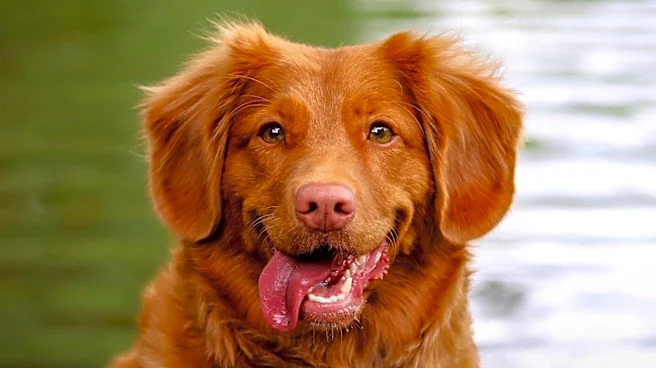
invasive species, specifically zebra mussels, at reservoirs in Westchester County, including Titicus and Cross River. The program, which began in March with a $400,000 contract from the state Department of Environmental Conservation (DEC), aims to leverage dogs' superior sense of smell to detect species that are nearly impossible to locate using traditional survey methods. Three dogs, including a Labrador named Peat and an Australian cattle dog, have been trained on 14 invasive species and live with their handlers, who receive stipends. The trail conference plans to add a fourth dog to the team.
Why It's Important?
This initiative represents a significant advancement in environmental protection and resource management for a major U.S. metropolitan area. Invasive species like zebra mussels pose a substantial threat to water infrastructure by clogging pipes and altering water chemistry, which can lead to costly repairs and compromised water quality. By employing conservation dogs, New York City is adopting an innovative and highly effective method to safeguard its unfiltered water supply, which is the largest in the nation. The program demonstrates a proactive approach to preventing widespread ecological and economic damage that invasive species can inflict. The success of this program could serve as a model for other municipalities and states facing similar challenges, potentially leading to broader adoption of canine detection methods in environmental conservation efforts across the U.S.
What's Next?
The conservation dog program is expected to continue its operations, with plans to expand the team by adding a fourth dog. The DEP and the New York-New Jersey Trail Conference will likely continue to monitor the effectiveness of the dogs in detecting and managing invasive species at the reservoirs. The success of this program could lead to its expansion to other water bodies or for the detection of additional invasive species. Furthermore, the methodology and training protocols developed through this initiative could be shared with other environmental agencies, potentially fostering a wider adoption of conservation dogs in various ecological protection efforts across the United States. Continued public awareness campaigns about invasive species and the role of these dogs may also be implemented.
Beyond the Headlines
The use of conservation dogs in New York City's water protection efforts highlights a growing trend in leveraging animal intelligence for complex environmental challenges. This approach moves beyond traditional human-centric methods, acknowledging the unique sensory capabilities of dogs. The program also underscores the ethical considerations of working animals, emphasizing the importance of their well-being and the bond with their handlers, as exemplified by handler Arden Blumenthal's comment about Peat's 'paycheck' being playtime. This initiative could also spark broader discussions about the potential for interspecies collaboration in addressing ecological crises and the value of investing in specialized animal training for public good. It represents a shift towards more integrated and biologically informed strategies in environmental management, recognizing that sometimes the most advanced solutions come from nature itself.