





What's Happening?
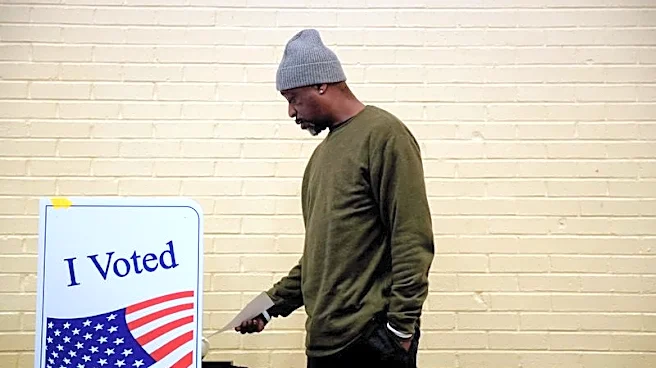
The Trump administration is exerting pressure on states to modify their election practices by threatening to withhold federal funding. This move comes as part of a broader effort to influence how elections are conducted, traditionally a state responsibility.
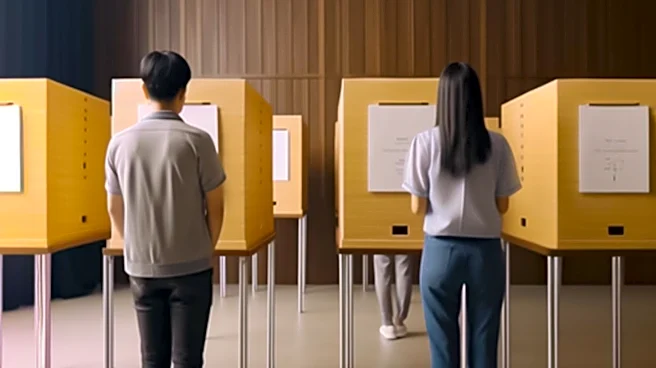
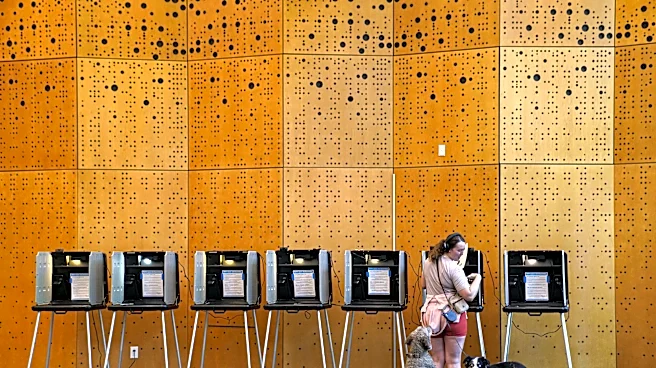
The administration has sent letters to states warning election officials of potential arrest if noncitizens are not removed from voter rolls. Additionally, the Department of Justice has issued warnings about criminal charges for knowingly allowing nonvoters to vote. The administration's actions are seen as attempts to change election rules and undermine voter confidence, according to UCLA law professor Rick Hasen. The Federal Emergency Management Agency (FEMA) has tied antiterrorism grants to election-related requirements, including verifying voter citizenship and switching to hand-marked paper ballots.
Why It's Important?
The Trump administration's actions could significantly impact the integrity and conduct of upcoming elections. By threatening to withhold federal funding, the administration is leveraging financial power to enforce changes in state election practices. This could lead to increased partisan tensions, as states respond differently based on political affiliations. The pressure to alter election systems may also strain state resources, especially with the midterm elections approaching. Critics argue that these measures are based on unfounded claims of voter fraud and could create chaos, potentially affecting election outcomes. The administration's focus on election security as a national priority highlights the ongoing debate over election integrity and federal versus state control.
What's Next?
States are expected to respond to the administration's demands, with some likely to resist and others to comply. The partisan divide may deepen as states navigate the legal and logistical challenges of implementing the required changes. The administration's actions may face further legal challenges, as courts have previously rejected similar efforts. The upcoming midterm elections will serve as a critical test of these new measures, potentially influencing future federal election policies. Stakeholders, including political leaders and civil rights groups, will likely continue to debate the implications of these changes on voter access and election integrity.