





What's Happening?
President Trump voiced strong frustration regarding inflation and interest rates, despite a surprisingly positive August jobs report showing 162,000 new jobs. Speaking from the Oval Office, President Trump criticized financial markets, the Federal Reserve,
and U.S. trade partners. He rejected the economic concept that a strong jobs report could contribute to inflationary pressures, stating, 'Success does not cause inflation. Stupidity causes inflation.' President Trump also declared it 'crazy' that stock markets fell due to inflation concerns. This reaction comes as his administration has spent the past week attempting to bolster public confidence in the economy. The President has consistently promised an economic boom, but his second term has been marked by a drop-off in hiring and higher prices, challenging his pledge for historic growth. The economy has grown at approximately 2% annually, which is slower than the growth observed during the Biden administration.
Why It's Important?
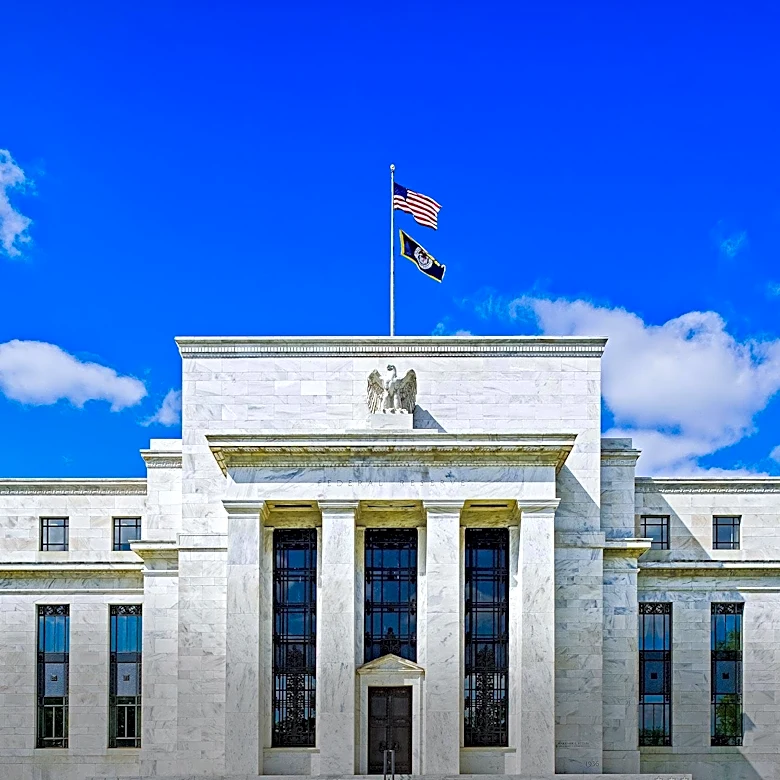
President Trump's public disagreement with fundamental monetary policy concepts, particularly his dismissal of the link between strong job growth and potential inflation, carries significant implications for economic policy and market stability. His criticism of the Federal Reserve and financial markets could undermine confidence in these institutions and create uncertainty. If the Federal Reserve were to act on President Trump's desire for lower interest rates, as suggested, it could potentially exacerbate inflation, leading to further economic and political challenges. The President's stance also highlights a potential disconnect between his economic rhetoric and the views of many economists, who generally acknowledge the inflationary risks associated with rapid economic expansion and low interest rates. This divergence could influence future policy decisions, particularly concerning interest rates, trade, and fiscal spending, impacting businesses, investors, and consumers across the U.S. The ongoing debate about the causes and solutions for inflation remains a critical factor in the nation's economic outlook.
What's Next?
The ongoing tension between President Trump's economic views and conventional monetary policy could lead to continued pressure on the Federal Reserve regarding interest rate decisions. Should President Trump continue to advocate for lower rates, the Federal Reserve will face increased scrutiny in maintaining its independence and pursuing policies aimed at price stability. His administration's focus on tariffs and tax cuts, alongside efforts to identify fraud, are expected to remain central to their economic strategy, with officials like Christopher Phelan, chairman of the White House Council of Economic Advisers, anticipating higher growth driven by these policies and advancements in artificial intelligence. However, economists like Ernie Tedeschi, head of economic insights and research at Stripe, caution against overly optimistic growth projections, suggesting that even significant growth might not fully address rising budget deficits. The administration also plans to announce a strategy to reduce the national debt and deficit, which could involve politically challenging spending cuts or tax increases, as noted by Joe Brusuelas, chief economist at RSM US.
Beyond the Headlines
President Trump's strong rhetoric regarding inflation and interest rates, particularly his assertion that 'Stupidity causes inflation,' reflects a deeper ideological divide on economic governance. This perspective challenges the established understanding of monetary policy and the role of independent institutions like the Federal Reserve. Such pronouncements can have a profound impact beyond immediate market reactions, potentially eroding public trust in economic data and expert analysis. The long-term implications include a possible shift in how economic success is defined and measured, moving away from traditional indicators like inflation control towards metrics that align more closely with political narratives. This could also influence the public's perception of economic responsibility, potentially leading to a greater demand for political intervention in monetary affairs. The debate also touches upon the ethical considerations of political leaders influencing independent economic bodies, and the cultural implications of dismissing expert consensus in favor of alternative explanations for complex economic phenomena.