



What's Happening?
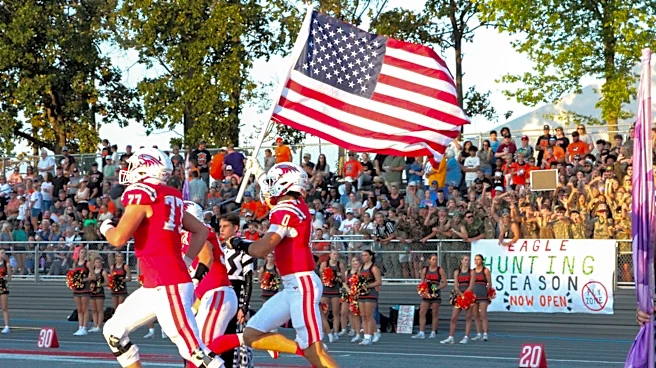
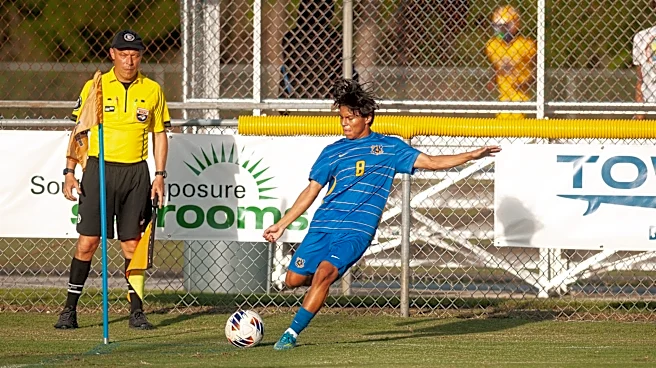
The Atlantic Council, a nonpartisan think tank based in Washington, D.C., has officially launched its Power of Sports Center. This new initiative aims to leverage the global influence of the $2 trillion sports industry to foster diplomacy, drive innovation,
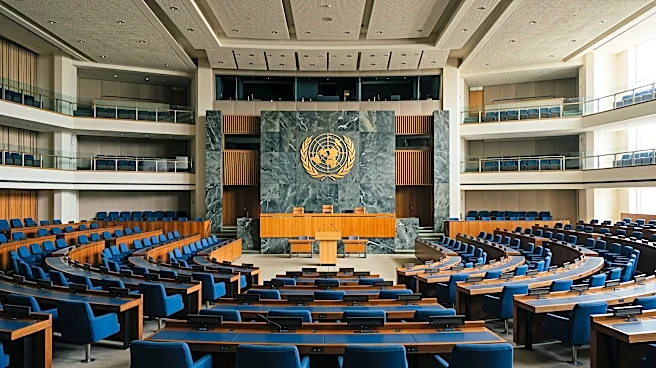
stimulate economic growth, and enhance international cooperation. The center will serve as a platform to convene senior government officials, business leaders, investors, sports leagues, and athletes from around the world. The launch was announced by Atlantic Council President and CEO Frederick Kempe during an event held on the sidelines of the United Nations General Assembly. Founding partners supporting the center include Atlantic Council Chairman John F.W. Rogers of Goldman Sachs, Atlantic Council Executive Vice Chair Adrienne Arsht, Bank of America, Kalshi, Limak Holding, and Super Technologies. The center's mission is to utilize sports as a unique tool to build stronger alliances, expand prosperity, and create lasting global impact, recognizing that sports transcend mere entertainment to influence geopolitics, investment, technology, and culture.
Why It's Important?
The establishment of the Power of Sports Center by the Atlantic Council signifies a strategic recognition of sports as a powerful, underutilized asset in international relations and economic development. By bringing together diverse stakeholders, the center aims to translate the unifying power of sports into tangible outcomes for global challenges. This initiative is important because it seeks to harness a universally appealing medium to address complex issues, potentially fostering dialogue and collaboration where traditional diplomatic channels might face hurdles. For U.S. interests, this could mean new avenues for soft power projection, promoting American values through sports, and creating economic opportunities for U.S. businesses and sports organizations on a global scale. The focus on statecraft, infrastructure, innovation, society, and resilience through sports could lead to novel solutions for international cooperation, economic investment, technological advancements, and community building, benefiting both the U.S. and its allies.
What's Next?
The Power of Sports Center will initially organize its work around five key pillars: statecraft, infrastructure and development, innovation, society, and resilience. These pillars will guide the center's efforts in advancing international cooperation, exploring investment opportunities in sports infrastructure, examining the future of sports through emerging technologies like artificial intelligence, expanding opportunities through workforce development and education, and strengthening leadership by addressing security, climate resilience, and public health. The center's activities will also be highlighted at the annual Atlantic Council Global Citizens Awards dinner, where leaders from various fields, including Formula One President and CEO Stefano Domenicali, will be honored. The center plans to continue convening global leaders and experts to develop practical ideas and strategies that leverage sports for positive global change, with ongoing discussions and initiatives expected to emerge from these collaborations.
Beyond the Headlines
Beyond the immediate goals of diplomacy and economic growth, the Power of Sports Center taps into the profound cultural and social dimensions of sports. Sports have a unique ability to transcend political, economic, and social divides, fostering a sense of shared identity and common purpose. This initiative could lead to a deeper understanding of how cultural exchange through sports can mitigate international tensions and build bridges between nations. Ethically, it raises questions about ensuring equitable access and participation in sports-related initiatives, particularly in developing regions, and how to prevent the commercialization of sports from overshadowing its diplomatic and social benefits. The long-term shift could see sports becoming a more formalized component of international policy and development strategies, moving beyond ad-hoc initiatives to a structured approach for global engagement and problem-solving, potentially influencing how governments and international organizations view and utilize cultural phenomena for strategic ends.